
Episode 87
Paul Forde – Boyle Post Office
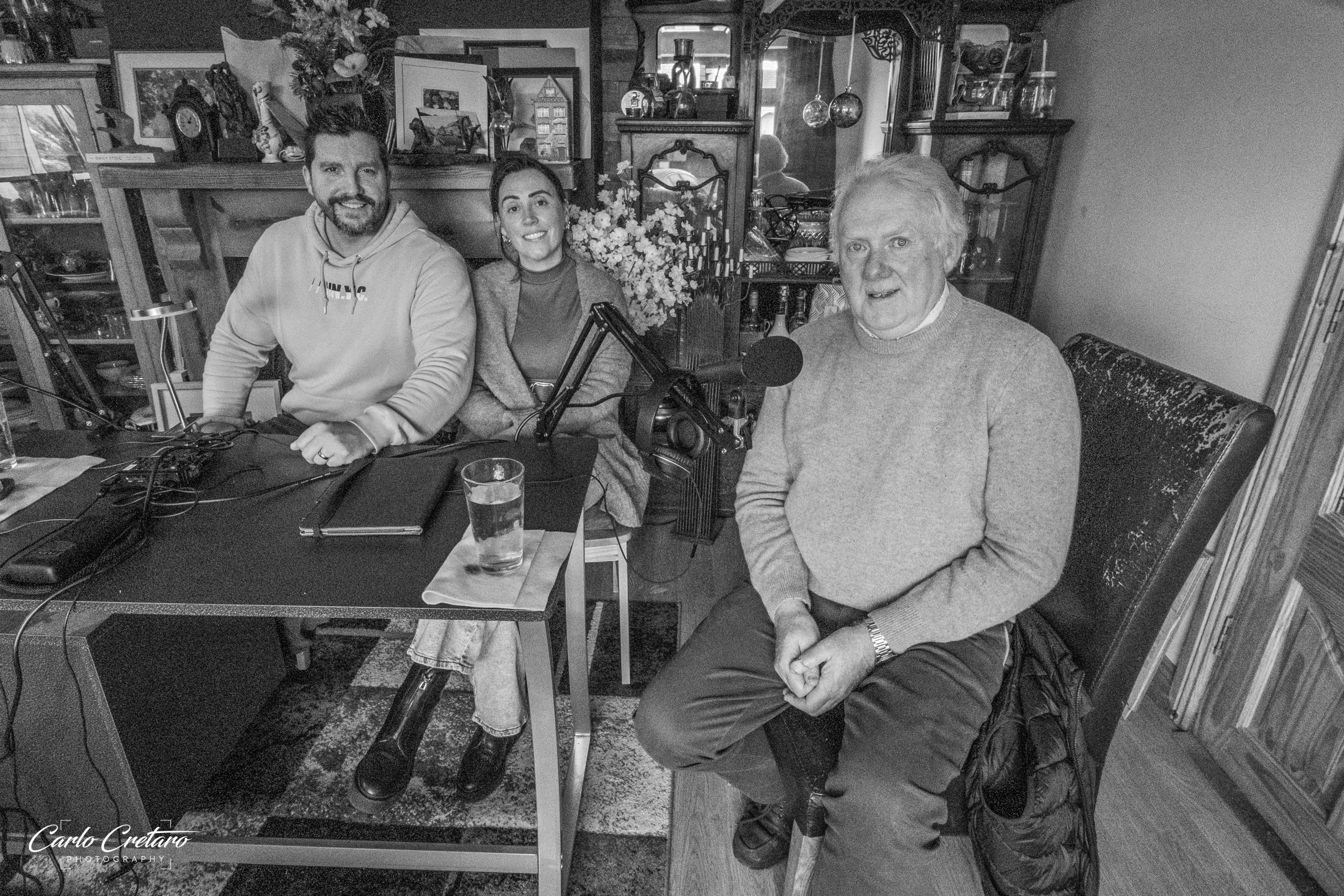
HOSTS & GUESTS
Florence Cretaro
Carlo Cretaro
Paul Forde
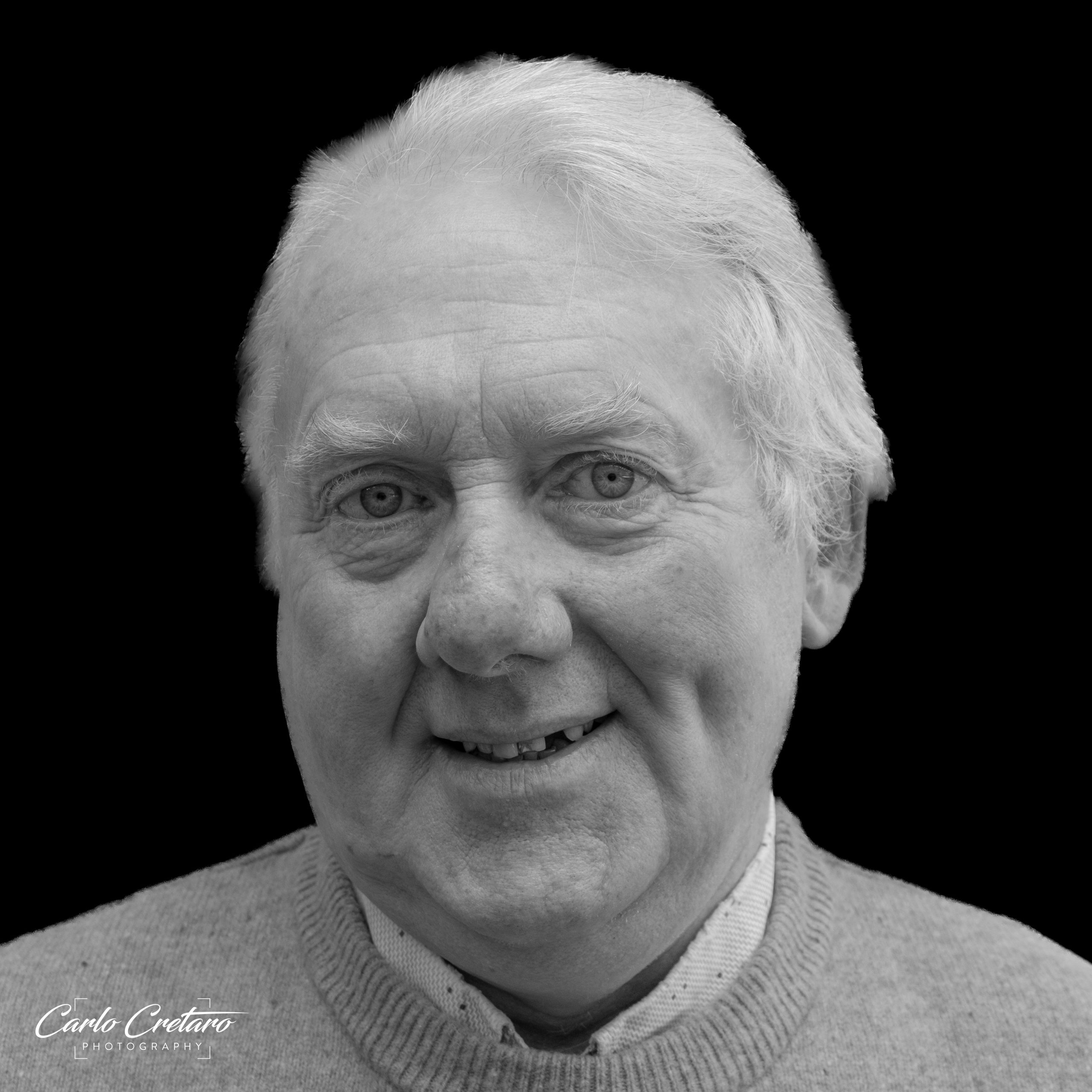
Welcome to Episode 87 of the Voices Of Boyle Podcast!
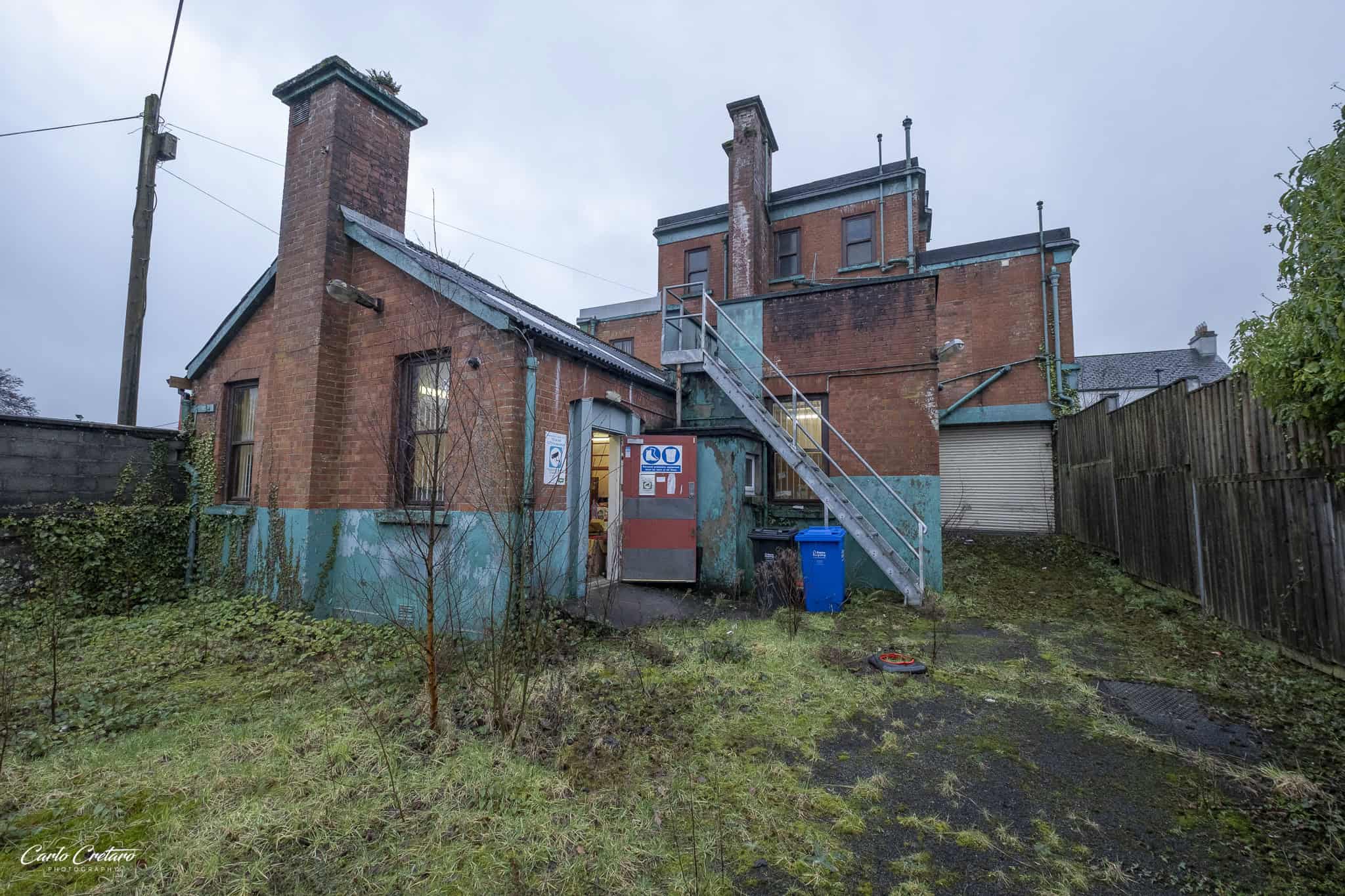
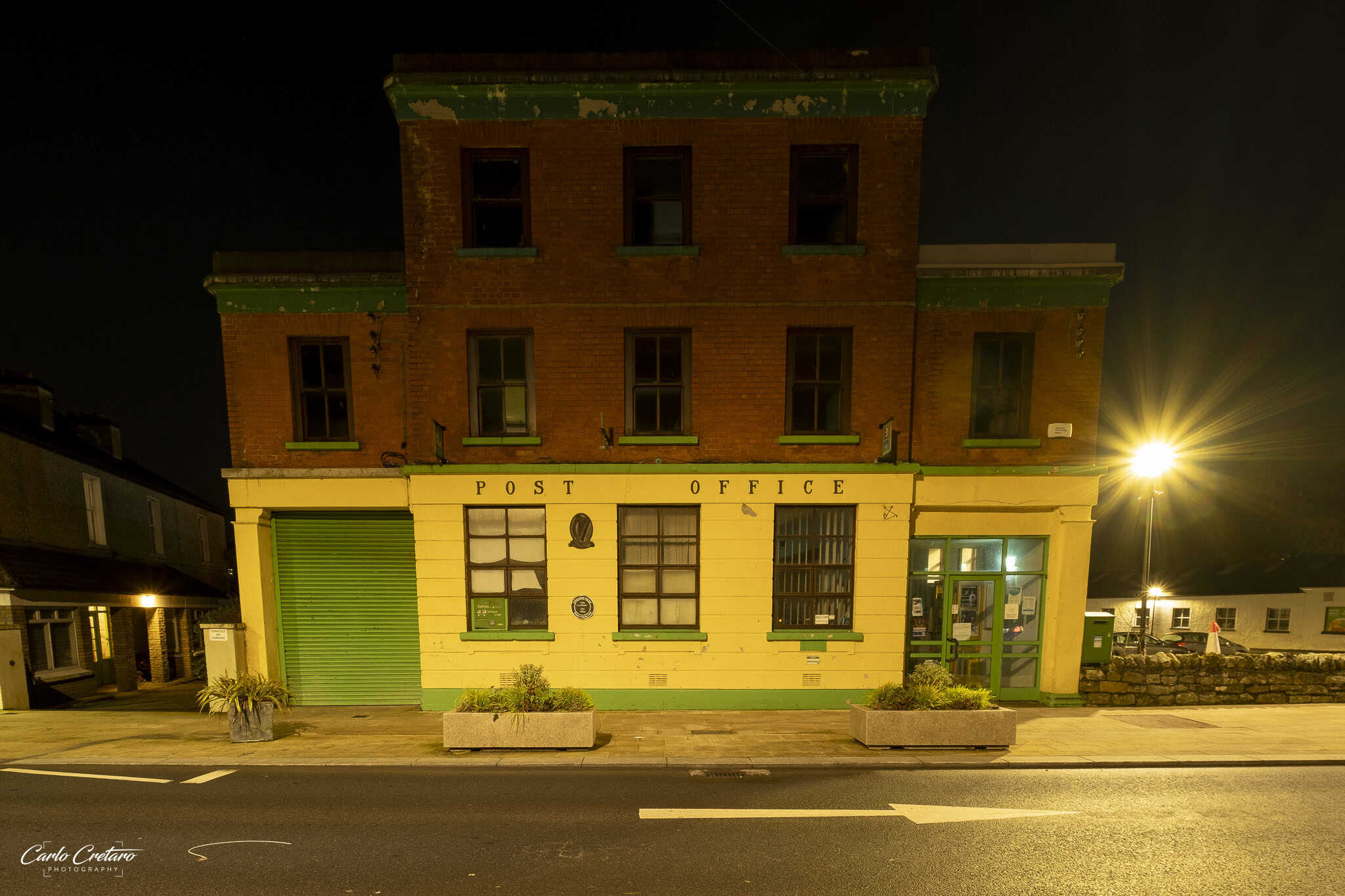
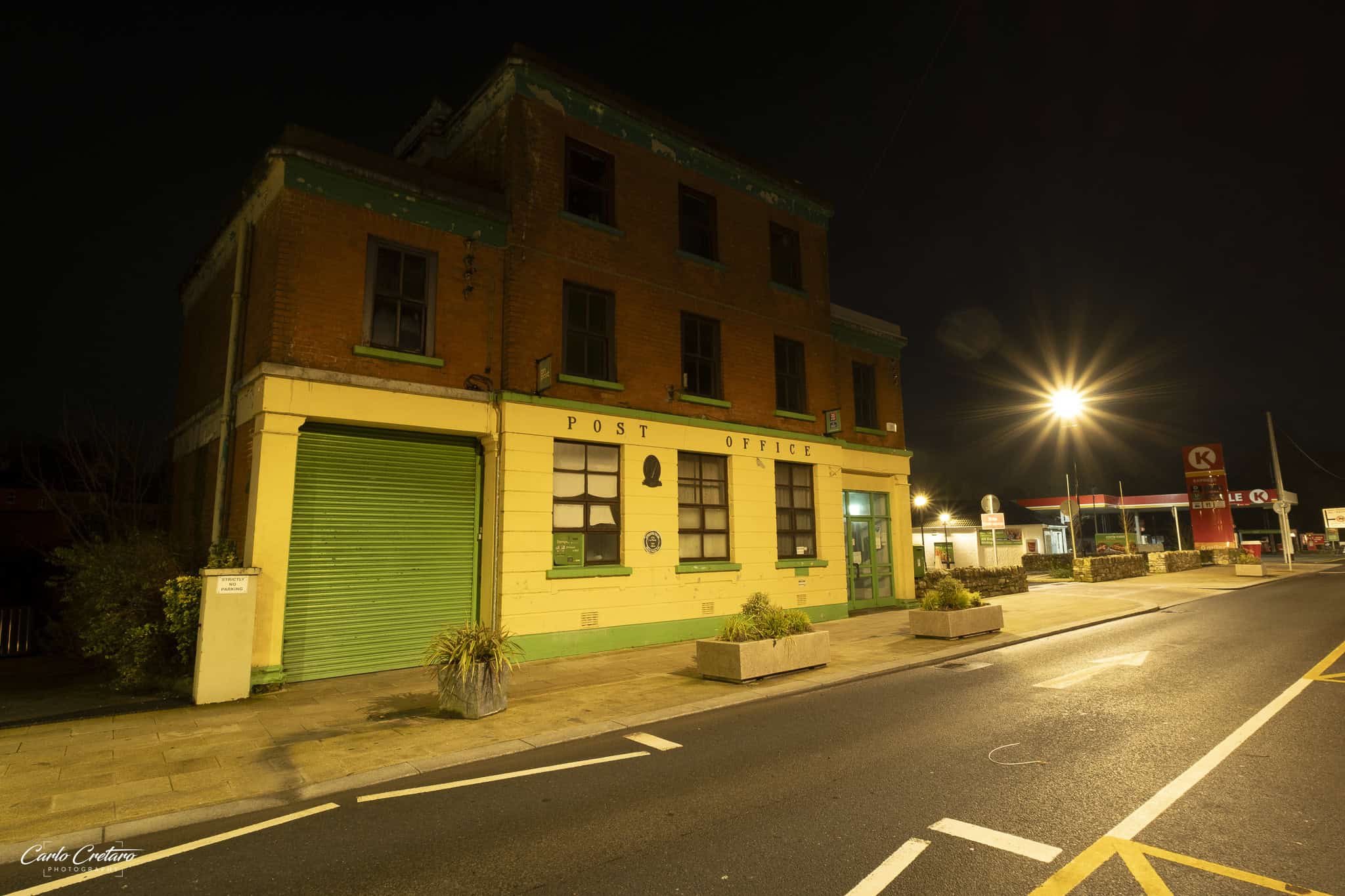
In towns like Boyle, a post office was never just a place to buy stamps or send parcels. It was where news arrived before phones ever rang, where pensions were collected with a handshake and a chat, and where generations crossed the same threshold week after week. The red brick building on Shop Street stood quietly at the centre of it all, watching the town change while somehow staying the same.
For decades, people stepped inside carrying letters, savings books, worries, and good news. Behind the counter for the past few decades stood a familiar face who saw Boyle through its busiest days and its quietest moments, through the shift from handwritten envelopes to digital screens, from queues at the counter to a changing world outside the door.
Today both Florence and I are sitting down with the last postmaster of the old Post Office, Paul Forde. This is a conversation about community, memory, and a place that meant far more than its walls ever suggested. Because when a post office leaves a building like that, it’s not just a relocation. It marks the end of an era in the life of the town.
You’re very welcome to the Voices of Boyle. This is episode 87 with Paul Forde.
On January 30th, 2025, a red brick building on Shop Street in Boyle, Co. Roscommon fell quiet for the first time in over a century. Paul Forde locked the door of the Boyle Post Office…purpose-built in 1910 and walked away after thirty years of service, eighteen of them as postmaster.
We sat down with Paul for Episode 87 of Voices of Boyle just days after that final day, and what followed was one of the most thoughtful and moving conversations we’ve ever recorded. This is his story.
From Galway to Drogheda: How It All Began
Paul Forde never set out with a grand plan to become the face of a post office. After leaving school, he spotted a job advertisement, applied without great expectation, and found himself reporting for postal training on Eyre Street in Galway on the 20th of November 1984.
“I applied for a few jobs with little intention of taking any of them,” he told us. “Then I got the letter saying I was successful in the Post Office one.”
After three months of intensive training covering every aspect of postal operations, Paul passed his exam on the first attempt and was sent to his first posting: Drogheda, Co. Louth. He had never been there in his life.
He stayed for six years, commuting home to Boyle every weekend. From Drogheda he transferred to Ballyhaunis, Co. Mayo…. 35 minutes from home, close enough to come back every evening. Four years later, a vacancy finally arose in Boyle, and in early 1995, after a decade in the postal service, Paul came home.
“When I came to Boyle it was welcome home, Paul. You’re in a small town. You knew everybody’s first name. They were all friends.”
Coming Home: The Post Office as Community
The difference between working in Drogheda and working in Boyle was immediate and profound. In Drogheda, Paul was dealing with strangers. In Boyle, he was dealing with neighbours people he had sat beside in school, people whose parents he knew, people who had watched him grow up.
“You knew everybody’s first name,” he said. “You didn’t have to look for IDs. There was that element of trust. If people know you, they trust you…and that was a good start for any job.”
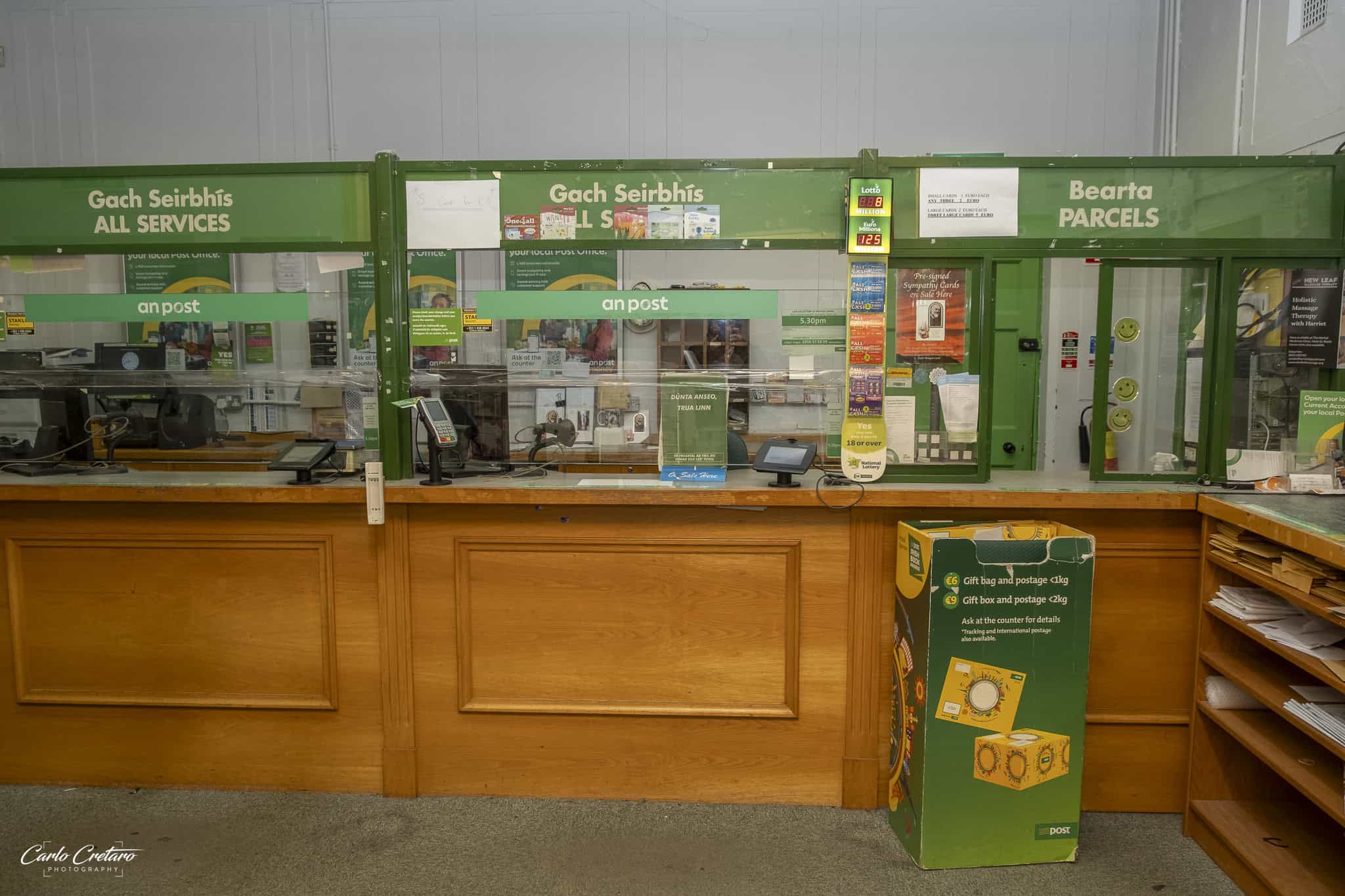
That trust was the foundation of everything. In a small town like Boyle, the post office was never just a transactional space. It was where pensions were collected, where phone bills were paid, where call cards were bought for the old phone boxes. It was where people came for a chat as much as a service.
“The post office and the banks were the centre of the town,” Paul reflected. “Very important. Very important.”
Becoming Postmaster: The Business Behind the Counter
In 2008, as part of a national An Post initiative to convert certain offices to contract operations, Paul made the decision to take on the Boyle post office as a contractor. He departed from direct An Post employment and became postmaster in his own right, responsible for everything.
Most customers saw Paul paying out pensions and selling stamps. What they didn’t see was everything else: renting the building, registering as an employer, managing wages, sourcing cover staff when someone fell sick, maintaining security, and carrying the constant low-level awareness that he held the keys to significant sums of money.
“People will know that,” he said, referring to the security risk. “You’re always watching your back. That in itself is a worry and a stress you have to manage.”
He ran the office this way for eighteen unbroken years.
“It’s not just a business. It’s a service as well as a business. You have to get the right combination of both.”
The Golden Era: Sorting Rooms and Pension Fridays
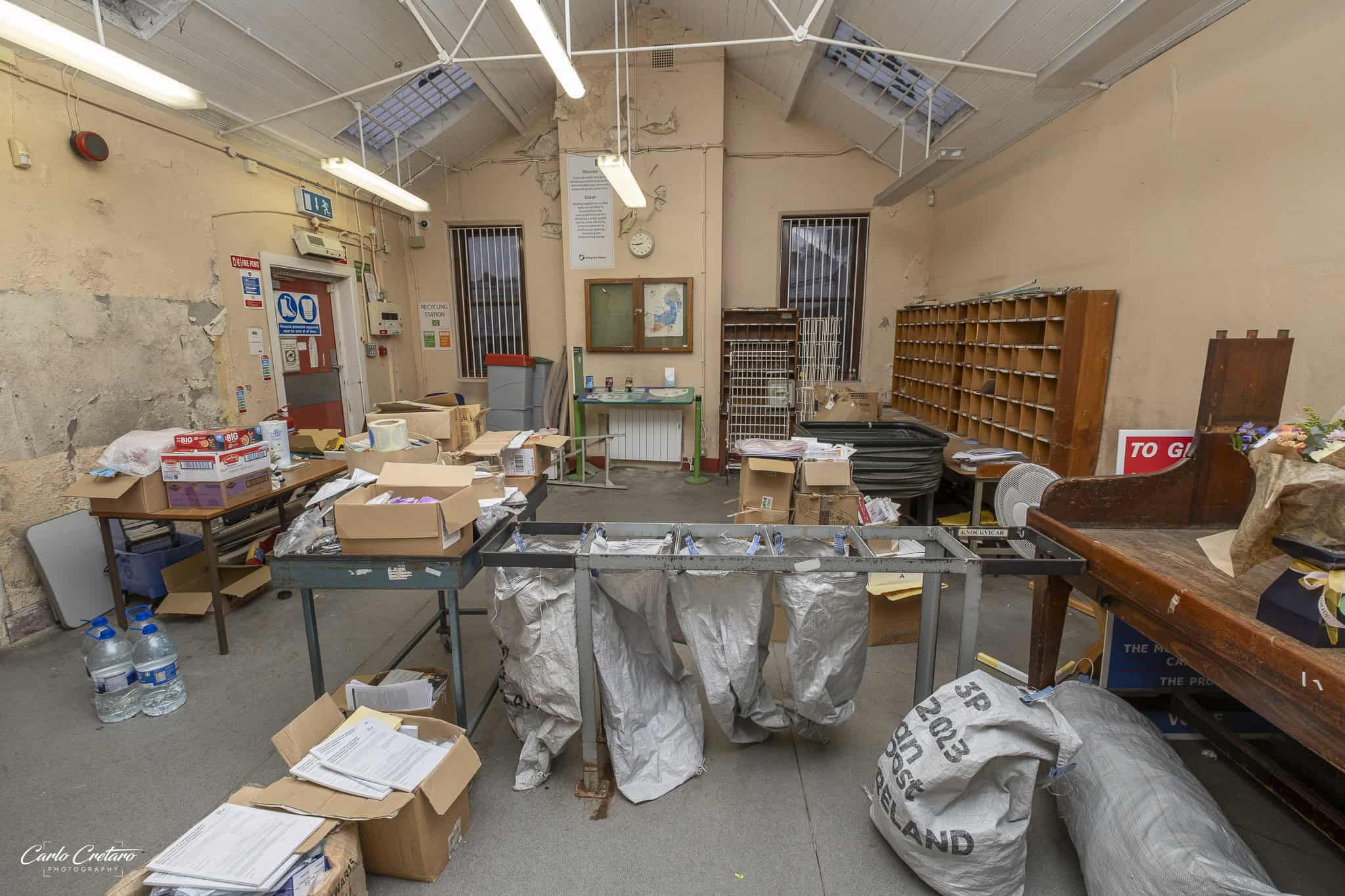
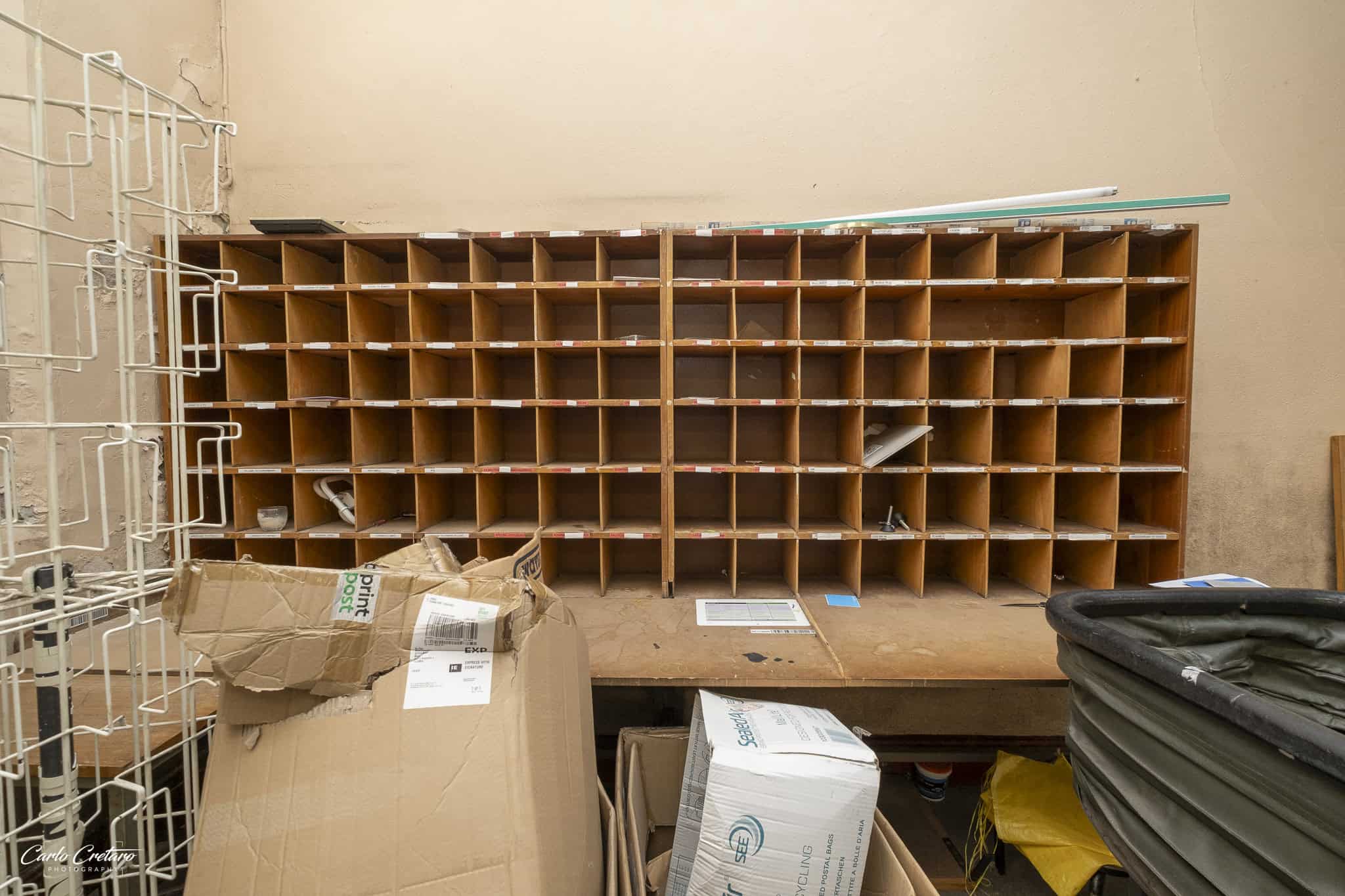
Those who remember the post office in its busiest years will recall a very different operation to what it became. When Paul arrived in 1995, there were 16 or 17 postmen working out of the sorting room at the back. Some mornings he’d be in by half five, watching the mail being sorted, listening to the banter and the occasional row as the team worked through the morning.
“There’d be banter, there’d be rows, there’d be making up, there’d be everything,” he said with a smile. “Especially around Christmas, where they’re tired and nerves are getting strained. But it’s all in good banter, and they’d all go for a pint in the evening.”
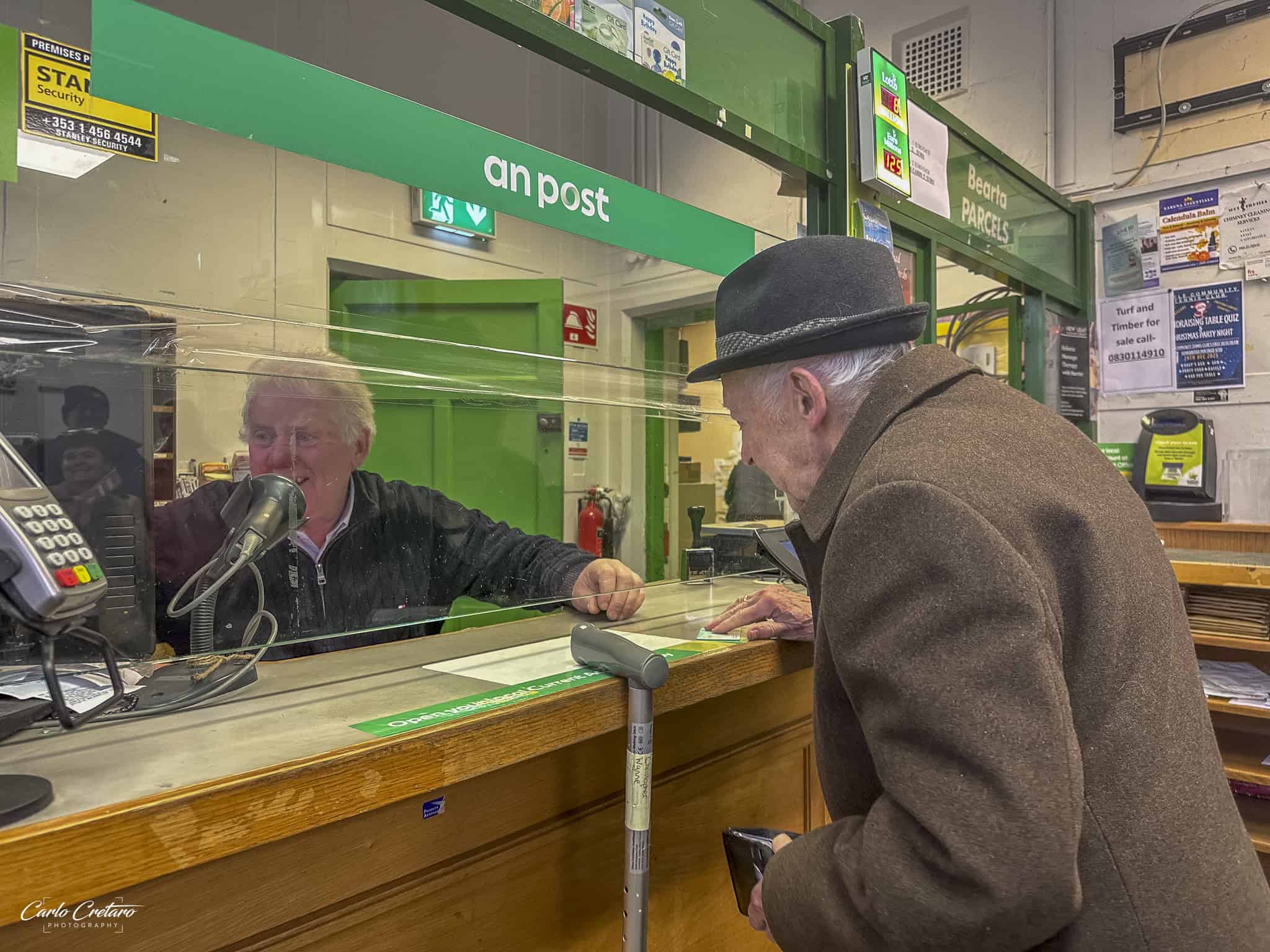
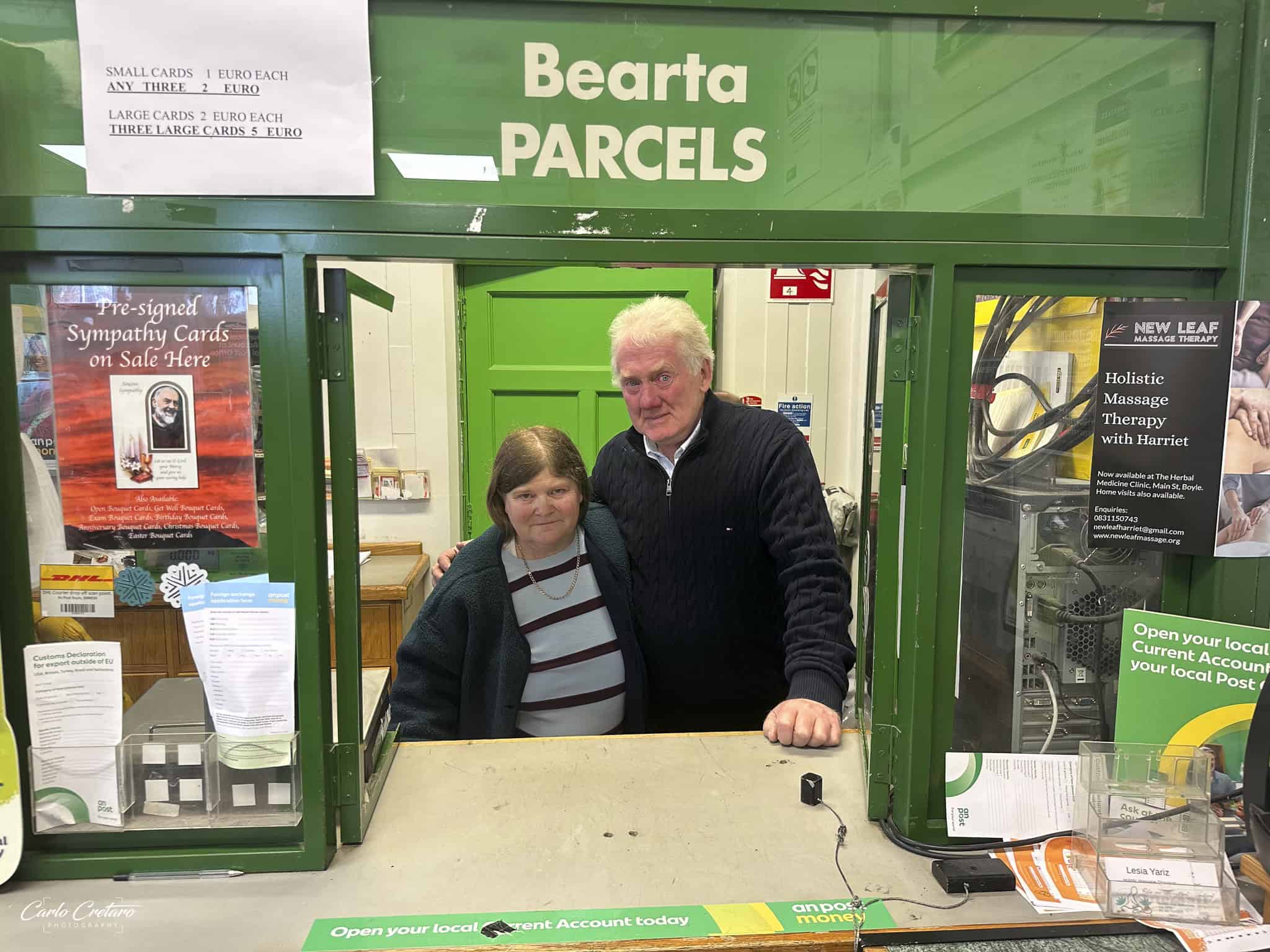
Fridays were pension days, the busiest, most social day of the week. The same faces came in every week, and over time Paul and his staff came to know everyone: their moods, their worries, their family situations. The counter became something closer to a community living room.
“You knew everybody’s mood,” Paul said. “You knew well if they’re having a bad day or a good day. You’d cheer them up if they were in bad form, have the banter if they were in good form.”
Florence put it well during the conversation: “You were a bit like a counsellor, Paul. A bit of a therapist.”
Paul didn’t disagree.
The Telephone Exchange: 40 Jobs Above the Post Office
Above the post office for decades sat the Boyle telephone exchange, once staffed by up to 40 telephonists who manually connected calls across the region. It was one of the most sought-after employers in the town, offering steady government wages at a time when guaranteed income was rare.
“There wasn’t many jobs where you’d be guaranteed wages every Friday,” Paul said. “They helped to get a lot of people through life, through college, over their bills. That was vital.”
The exchange went automatic in 1984, Paul’s very first year in the postal service and those 40 jobs quietly disappeared. He reflected on it with the measured pragmatism of someone who has watched technology transform his own industry over forty years.
“That was probably the start of AI, really. Done away with jobs. Things move on.”
From Letters to Parcels: Adapting to a Changing World
Over Paul’s three decades in Boyle, the nature of the post office’s work changed fundamentally. Letter volumes declined steadily as email and messaging apps took over. Christmas card lists grew shorter every year. The handwritten envelope became a rarity.
“When I was a child, my mother would be sending 30 or 40 Christmas cards every year,” Paul said. “That just doesn’t happen. Younger people won’t take the time.”
But as letters declined, parcels surged. The rise of online shopping — Shein, Amazon, Temu, ASOS — brought a new wave of business through the door, and Paul saw it as more opportunity than threat.
“Letter volumes declined, but online shopping took off. That’s the way forward. Local shops can have a bigger community to sell to — that’s the positive of it. I always try and find the positive.”
On the operational side, the transformation from paper to digital was equally dramatic. When Paul started, every transaction was recorded by hand. Balancing the accounts took an hour and a half every evening. Now, a computer does it in ten minutes.
COVID: Fear Behind the Counter
Of all the challenges Paul faced across his career, COVID-19 stands out as the most disorienting. The post office stayed open throughout — an essential service — but the atmosphere changed entirely.
“It put fear into a lot of people coming in,” Paul said. “We had to sanitise, we did everything. We opened at 8 o’clock to keep the queues down. We couldn’t have queues because people were scared to stand beside somebody else.”
The fear was most acute among elderly customers — precisely the people who depended on the post office most. Some stopped handling cash altogether. Some stopped coming in. Paul had to navigate the difficult task of politely enforcing restrictions with customers who didn’t want to be managed.
“Elderly people don’t like to be policed,” he said. “You’re trying to keep everything ticking over. It’s a fine balance. But we got over it, thankfully.”
“Fear is a very difficult thing to overcome if it gets into your mind.”
The Building: A Century of Character
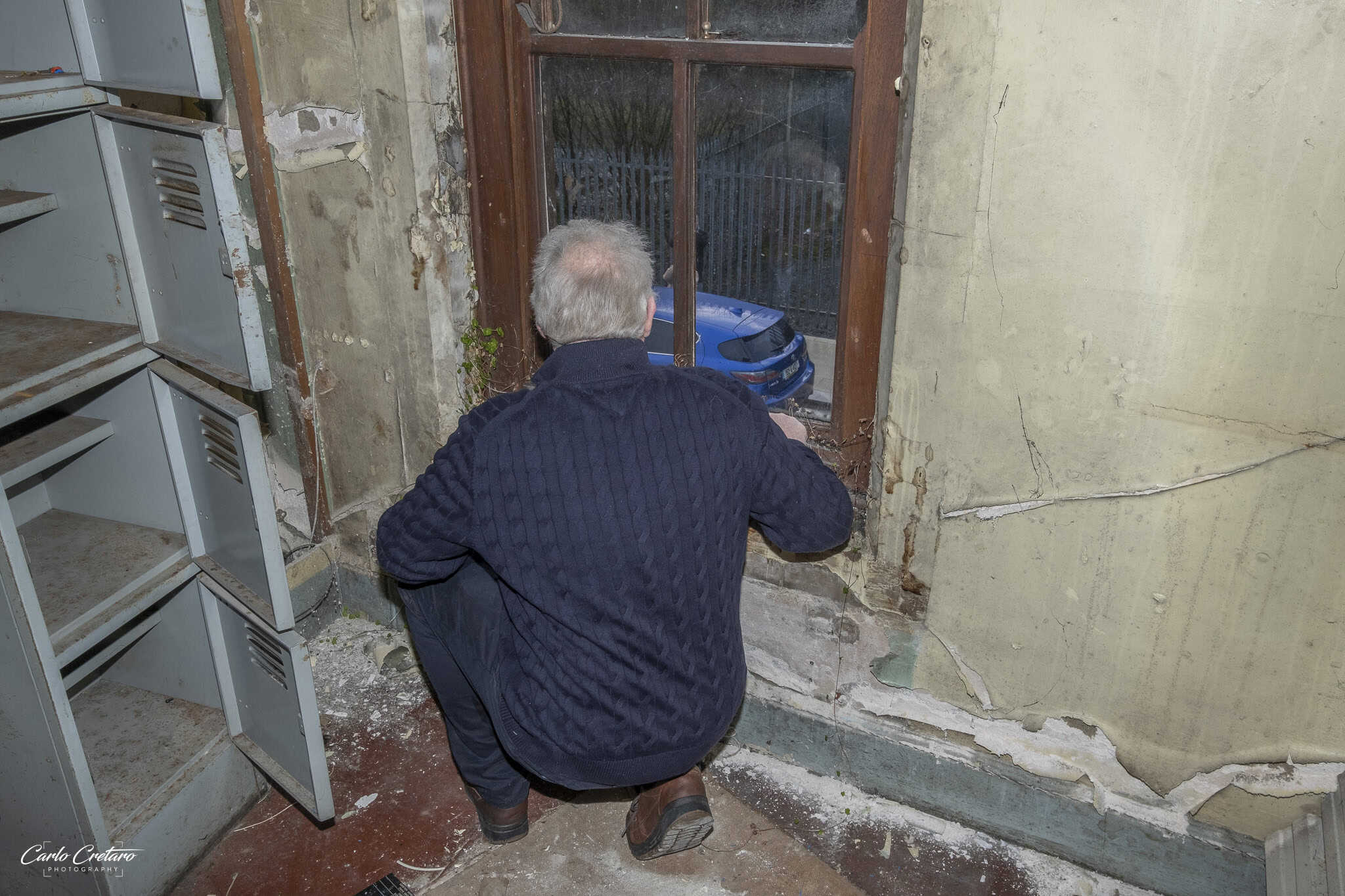
The post office building itself, purpose-built in 1910, its brickwork laid by a local Boyle man named Mr. Reid, is a piece of architecture that Paul clearly loved, even as it tested him. High ceilings, beautiful design, cold back rooms, poor insulation.
“Those old buildings had a certain design that I admired,” he said. “You see it in the old courthouses, the post offices, even the old churches. They were nice design, nice architecture. Some of the modern buildings are all kind of the same. The old buildings had their own character.”
Inside, the building held a kind of informal archive: old telegrams, ledgers going back nearly a hundred years, signatures of late postmen recorded in attendance books. Carlo found documentation of the first recorded postmaster in Boyle — a William Lawrence, listed in a local newspaper in 1839 — and pointed out that the role had been filled continuously in the town for nearly 200 years.
Some of those old documents have been preserved. Others, Paul acknowledged with regret, may be lost.
The Final Day
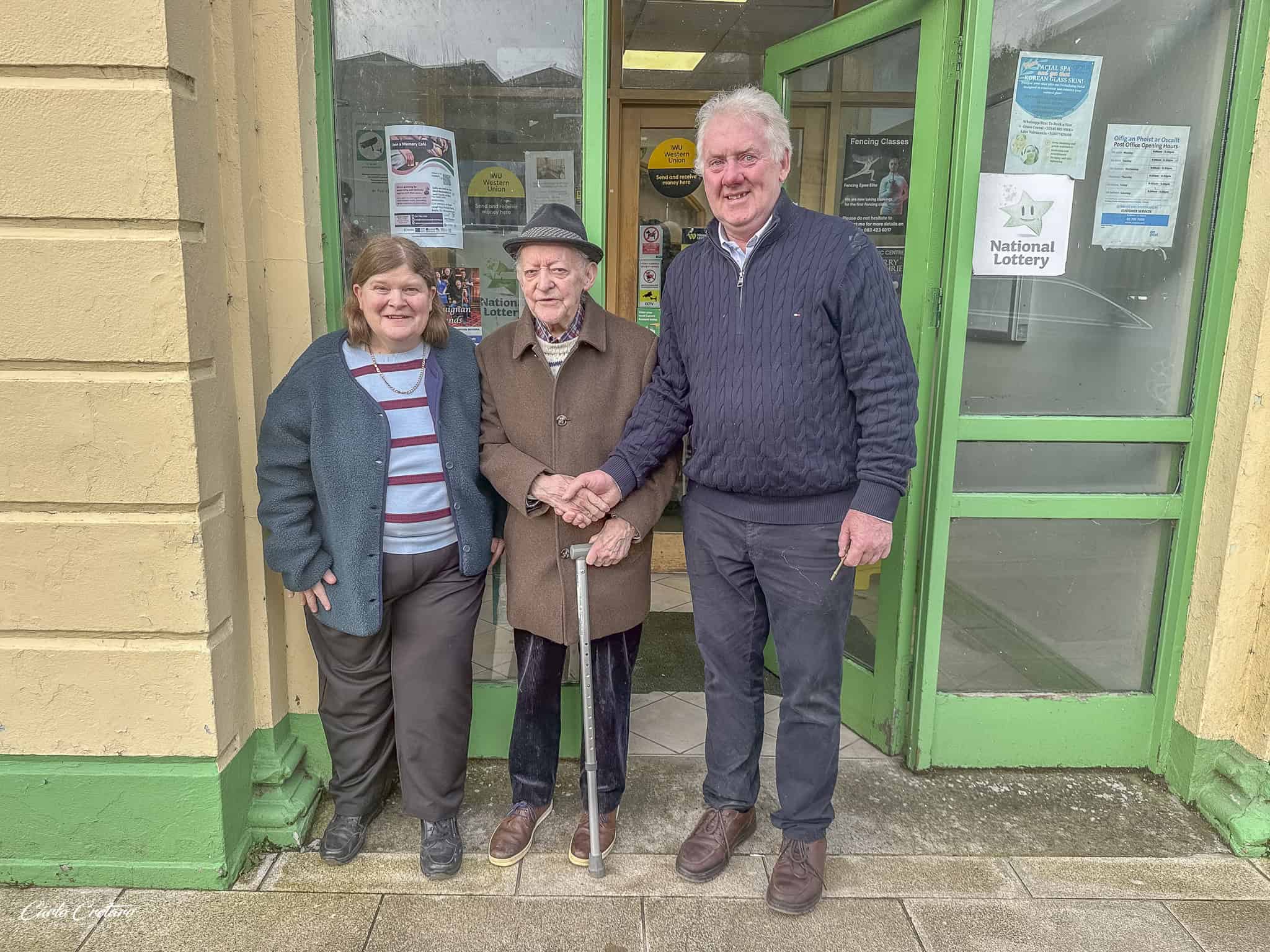
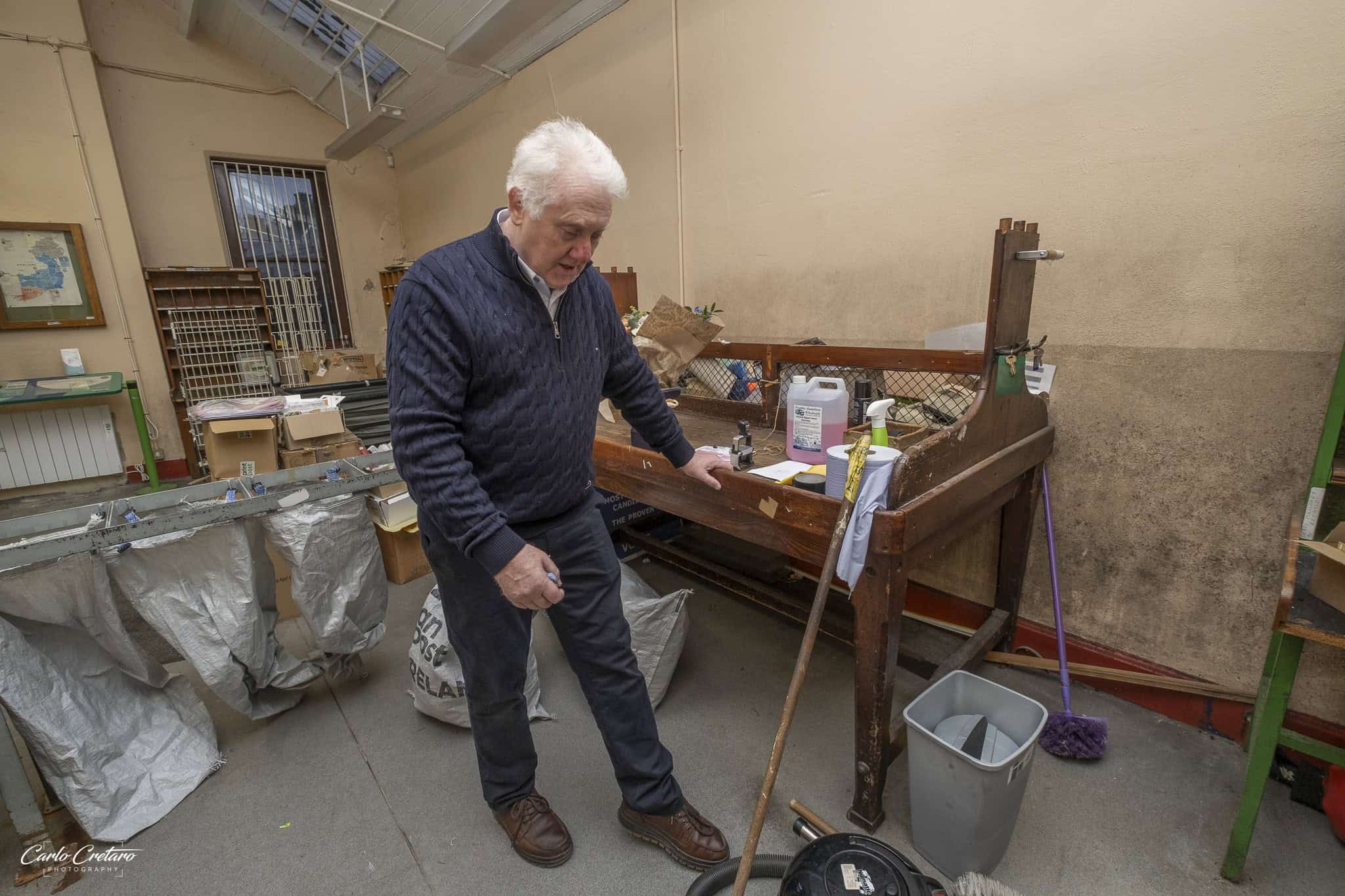
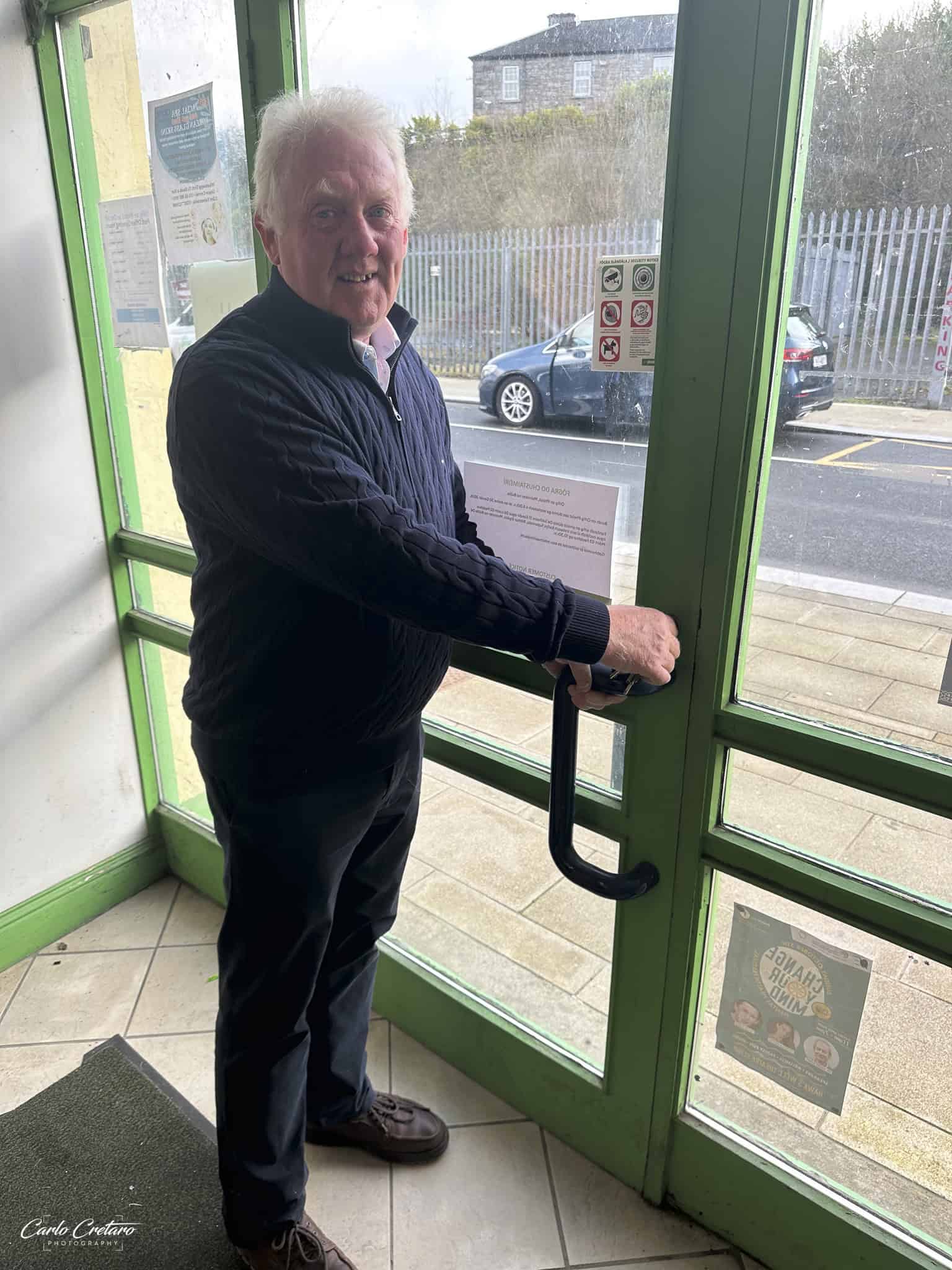
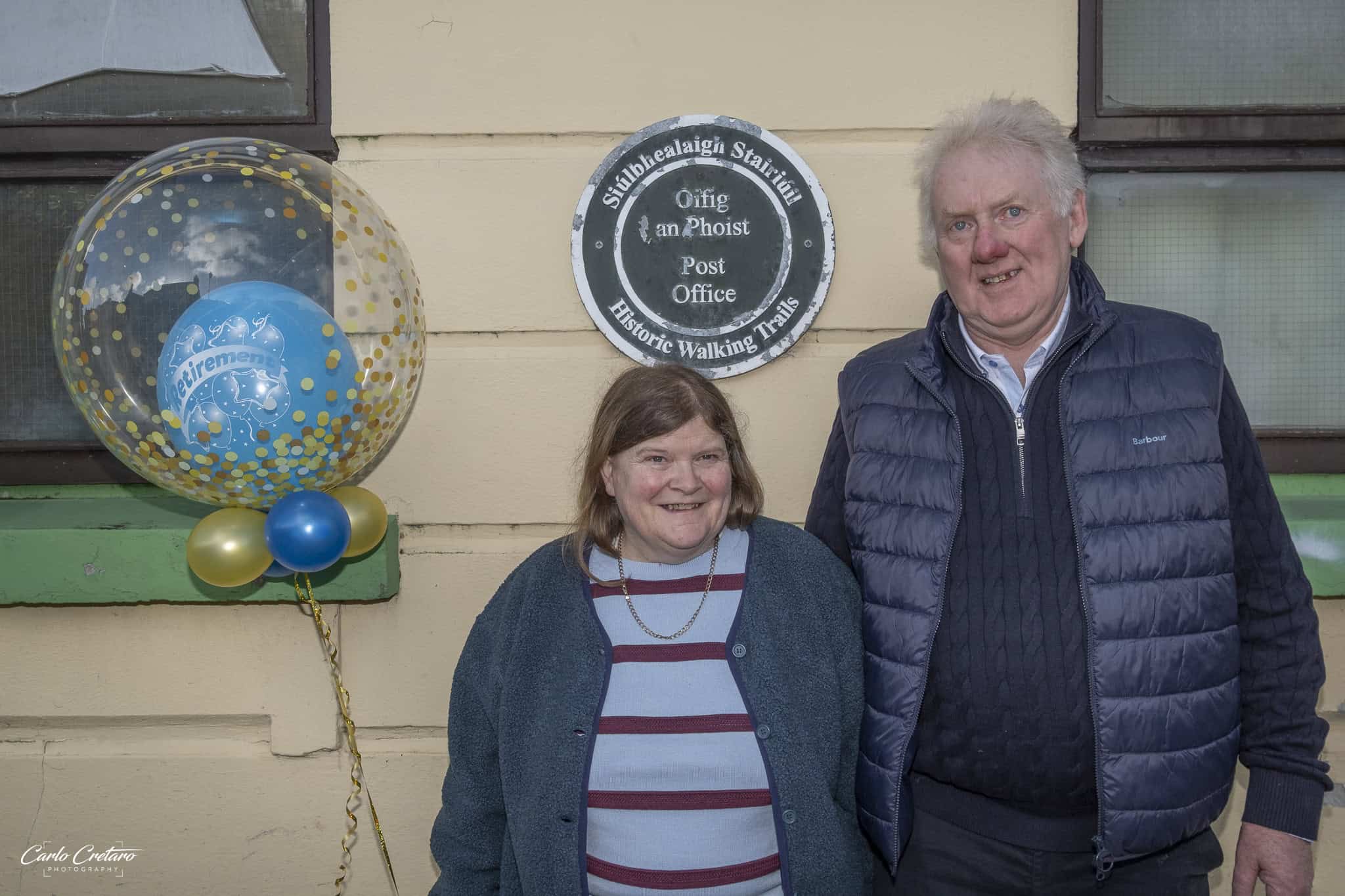
January 30th, 2025. Paul closed the Boyle Post Office for the last time.
The community turned out. Former staff came back. Old customers lingered. Tea and coffee were served. Stories were told. Initials scratched into brickwork decades ago were pointed out on the walls. Florence’s father revealed — to everyone’s surprise, including Paul’s — that his very first job had been as a telegram boy in that building.
“It was more than a job,” Paul said quietly. “It meant more to me than a job. I enjoyed it thoroughly for my time.”
He thanked his staff, his wife Maureen — who stood beside him throughout his eighteen years as postmaster — and the people of Boyle.
“Thanks to the people of Boyle. Thank you.”
The Bigger Picture: 250 Post Offices and Counting
Paul’s story is personal, but it is also part of a national pattern. Approximately 250 post offices have closed across Ireland in the last decade. The standalone post office building — once a fixture of every Irish town — is increasingly being absorbed into supermarkets and retail units, where the footfall it generates benefits the wider business.
Paul understands the logic, even if he feels the loss.
“In a supermarket, even if the post office breaks even, the supermarket benefits hugely from the footfall it brings,” he explained. “That’s why most supermarkets are interested in having it. It’s not the post office in itself…..it’s the footfall that comes as part of the package.”
The Boyle Post Office has relocated to SuperValu, continuing to serve the community — just from a different building, in a different form. The red brick building on Shop Street waits for its next chapter.
Listen to the Full Conversation
Episode 87 of Voices of Boyle is available now on all major podcast platforms. Paul’s conversation with Carlo and Florence runs to just over 38 minutes and covers everything from his rapid-fire favourite memories to the hidden pressures of running a post office in rural Ireland.
If you grew up in Boyle, collected a pension on a Friday, or simply appreciate the kind of storytelling that preserves what a town actually is, this episode is for you.
And if it moves you, share it with someone who’ll remember that building.
Key Timestamps
00:00 — Introduction: The history of Boyle Post Office
01:09 — Welcome, Episode 87
02:47 — Paul’s training in Galway, 1984
04:20 — Six years in Drogheda, then Ballyhaunis
05:22 — Coming home to Boyle in 1995
05:54 — Becoming postmaster in 2008
08:17 — The hidden responsibilities of running a post office
11:31 — Life in the sorting office — the people, the banter
14:22 — The history: first recorded postmaster in Boyle, 1839
15:40 — The telephone exchange and its 40 workers
19:01 — The decline of letter writing
20:08 — Pension Fridays behind the counter
26:49 — Online shopping and its impact
28:49 — COVID and the fear it created in elderly customers
31:00 — The character of the old building
33:05 — The decision to close
35:58 — The emotional final day, January 30th
36:14 — Rapid fire questions
Guest Bio
Paul Forde is a native of Boyle, Co. Roscommon, and the last postmaster of the Boyle Post Office on Shop Street. He began his postal career in November 1984, training in Galway before taking up positions in Drogheda and Ballyhaunis. He returned to Boyle Post Office in 1995 and took over as postmaster in 2008, running the office on contract for 18 years until its closure on January 30th, 2025. A farmer as well as a postmaster, Paul is known across Boyle for his warmth, his dedication to community service, and his encyclopaedic knowledge of the town and its people.
Thanks to Brendan O’ Dowd for creating and recording the musical piece for the podcast.
BE A GUEST ON THE SHOW!
If you’ve a story about Boyle, we’d love to hear it. You don’t need to have done anything remarkable, and you don’t need to prepare a thing. We sit down, have a chat, and you talk about whatever you want to. It usually takes about an hour.
Thinking of someone else? A parent, a grandparent, a neighbour who remembers how it used to be? Tell us about them. Some of our best episodes started because a son or daughter got in touch. You can find us at [email protected].

Trackbacks/Pingbacks