Episode 29
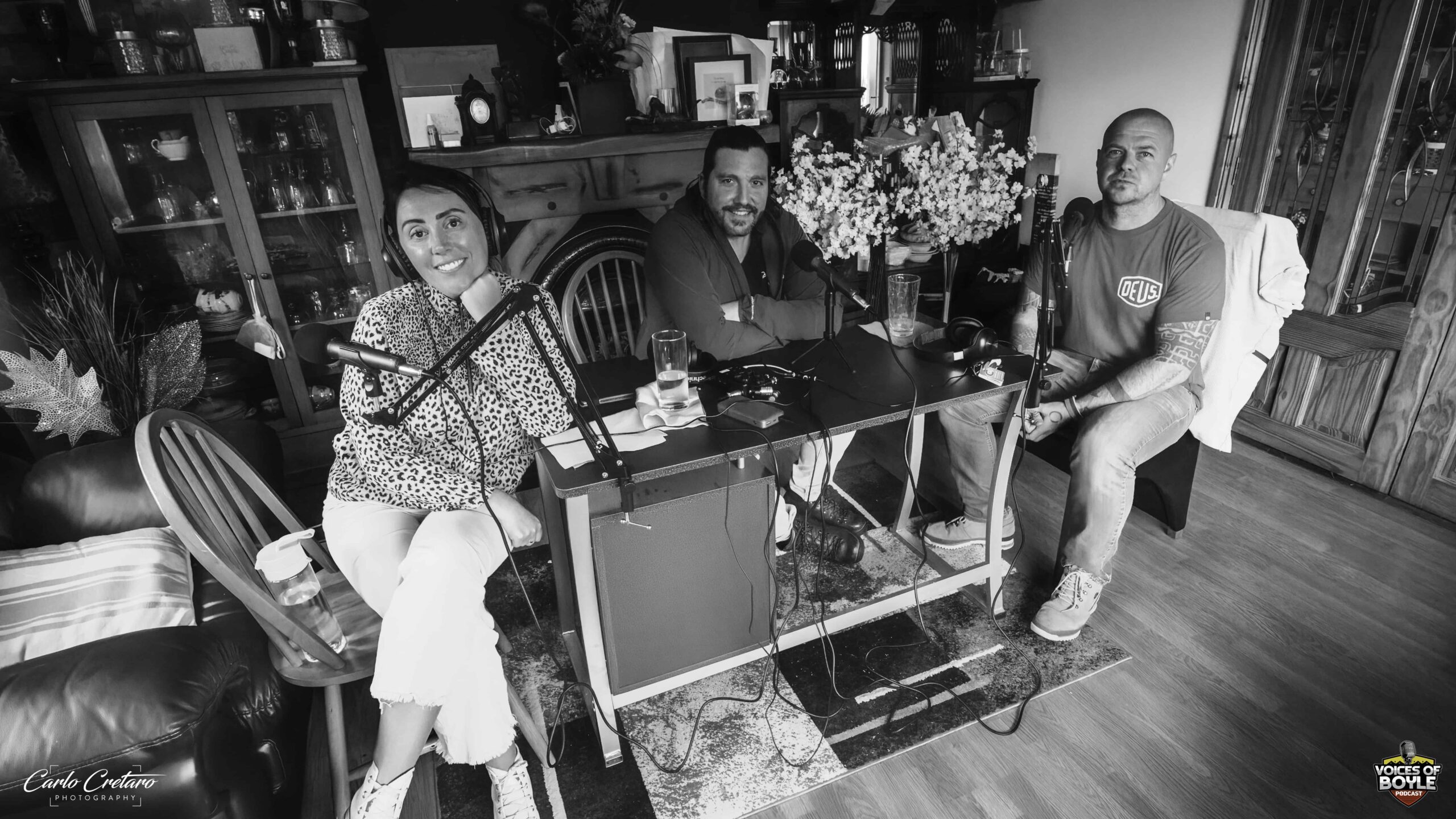
Dean Taylor – Behind the Camera: From NBC Studios to War Zones
Hosts & Guests
Carlo Cretaro
Florence Murphy
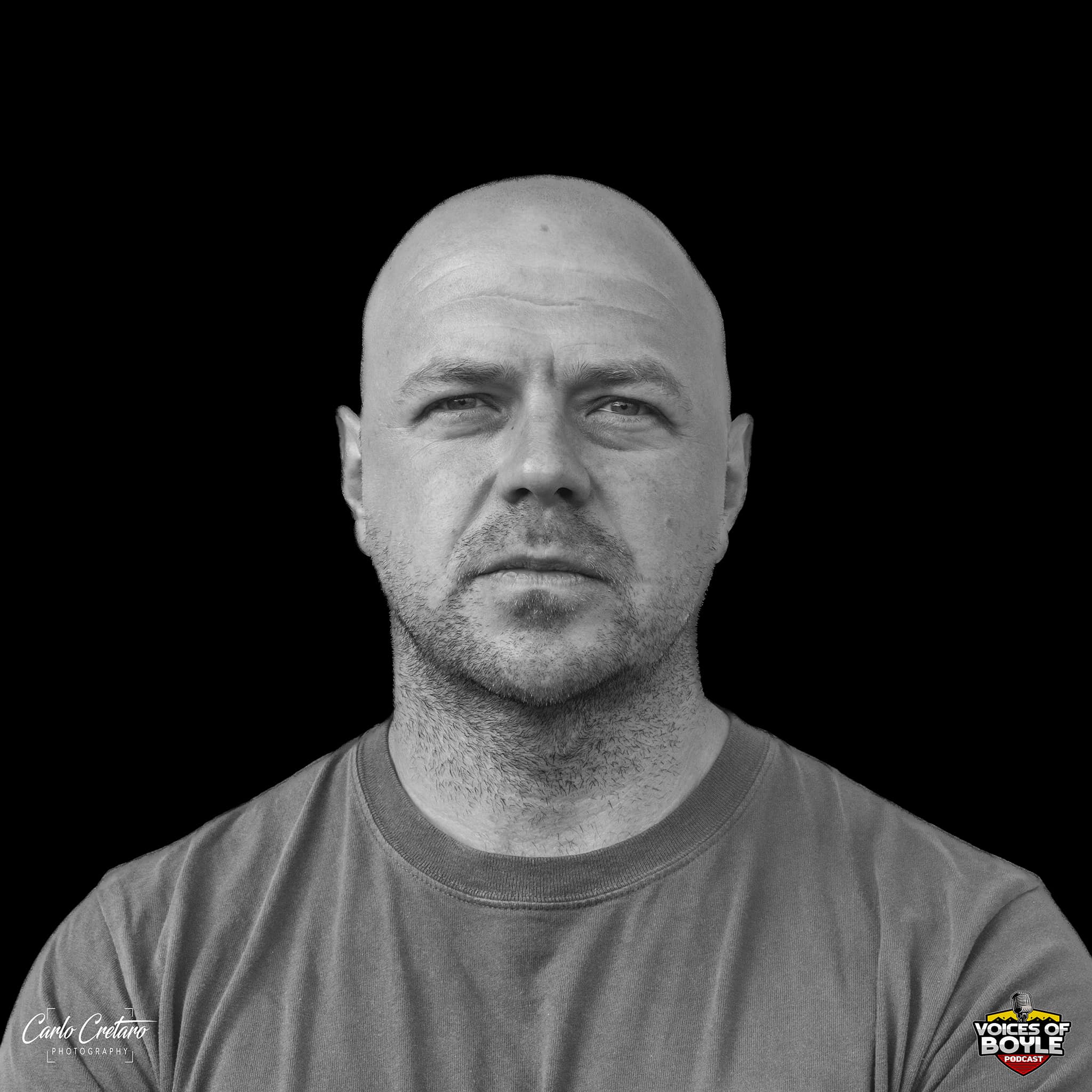
Dean Taylor
It’s February 2022 and Dean Taylor is in a hotel in Kyiv, sleeping in a flak jacket with a radio beside the bed in case the hotel’s communications go down. His crew is expecting the invasion. A lot of the Ukrainians they meet on the street are not.
Then a huge explosion in the night. Dean describes what happened next as plainly as a bus timetable.
“Most people run to the basement to get protection, but we run to balconies to film off them.”
Dean is a camera operator with NBC News, and he grew up in Greatmeadow.
Raised as two Irish kids
Dean was born in London to Irish parents who wanted to raise their two children as Irish kids. Around 1992 or 1993, when he was about seven, they came home and bought Paddy Casey’s shop in Greatmeadow, the one people remember for the ice cream.
He started at St Joseph’s in second class with a little English accent, which he had to lose “pretty quickly”. Football did the rest. He and the lads went to school 45 minutes early to play on the pitch, and he still has most of those friends. They might go a long time without talking, but when they meet it’s straight back to where they were.
A camera on top of the Colosseum
Dean’s father trained as an electrician and worked in a London hotel underneath NBC’s bureau. He did bits of maintenance upstairs until NBC took him on, trained him up, and sent him around the world building sets and bureaus. He came home with pieces of the Berlin Wall and a beret from one of Saddam Hussein’s palaces. There’s a photograph of him at the top of the Colosseum, no harness, hanging off a ladder to mount a camera.
Dean’s own start came the week Princess Diana died. He was over with his father, and NBC asked him to help as a runner, carrying boxes and chairs. He was twelve and did about five days. What stayed with him was watching the cameramen bring in their gear and the big lights hanging everywhere. He thought he could do that.
His father also fixed two radio mics NBC had thrown out and gave them to him. Back in Boyle, Dean and the lads hid one in the phone box and sat across the road listening to whoever came in.
The door that went on a session
Then there was Boyle in the late 1990s. Racing bikes from the boys’ school to Marion Road, with whoever had the most gears winning in their own heads. Sunday sessions where anything could happen. Cleo’s and Parker’s, and the big stairs people were always falling down.
One Sunday after a birthday, Dean and the lads took the door off one of the pubs and brought it with them around the rest of the town. The owner knew he’d get it back, and he did. Dean doubts it could happen now, with a phone in every hand.
At school, nothing stuck unless it was something he was into, and he says the teachers did the best they could with him. At 16 or 17 he had a Peugeot 106 Kid with denim seats, and some days he and Neil or Thomas would slip out of class and drive to Sligo.
The master control room
Around the Athens Olympics in 2004, Dean went to London to mind the house his father stayed in. He started freelancing at NBC in MCR, the master control room, recording feeds from networks around the world onto big tapes. Some of it was gruesome, including footage of beheadings. Staff were offered someone to talk to. Dean says he didn’t need it.
“I get closer to the action than I should probably, but I don’t see the danger because I don’t think of it as being real.”
A motorbike for a sound kit
He came home and did a TV and film course in Bray. One night in Sligo he told his friend Daniel about it, and Daniel applied too. They lived together in Bray for about three years.
Around 21, Dean sold his motorbike to one of the NBC bosses through his father and got a sound kit and some cash for it. Audio jobs started coming in through Riverside, an Irish production company. His first properly paid job was CBS’s The Amazing Race in Galway. The college told him to choose, and he left with about six months to go.
Anything that involves kids
The next five years or so were sound on Irish TV: The Apprentice, MasterChef, and Operation Transformation from its first series to about the seventh. Audio, he says, is the right way into camera work, because you stand beside so many camera operators that you learn what works and what doesn’t.
A volunteer series took him to Zambia and to an institution for children affected by Chernobyl in Belarus, which Adi Roche helped to fund. Dean was 23 or 24. He describes children with almost no medicine, and ten minutes to eat before a bell went and staff pulled them away. He says some of the staff were alcoholics and that children there were being abused. One night at 3am the crew were told to hide in the basement because four black Mercedes had pulled up outside.
“Anything that involves kids is really difficult.”
He got tired of reality TV, too. He watched producers ask contestants about a late grandmother until the tears came, then give the thumbs up.
Six months in a van
NBC brought him over for sound on the wedding of William and Kate, and he moved into camera work with them while still freelancing in Ireland. London rent made no sense for a freelancer who was never there, so he fitted out a van with a mattress, parked outside NBC’s warehouse, and lived in it on and off for six months. About six years ago NBC made him staff.
The job works like this. A call at three in the morning: be on a 6am flight to an earthquake in Turkey. Gather 200 to 300 kilos of equipment, every piece with its own paperwork. Film as soon as you land, for two days or two months. He has missed weddings, funerals and birthdays. The pressure doesn’t faze him, he says. It’s not heart surgery.
The bullets cutting through the wind
After the first night in Kyiv the crew of about ten voted, and the majority wanted to pull back, mostly over talk of Chernobyl being hit. Dean would have stayed. They drove six or seven hours to Lviv.
He went back for the first anniversary, to the front line in Bakhmut. The city was destroyed. They interviewed the one doctor left and older people who would not leave their homes, and he filmed a woman who had just given birth.
“You could hear the bullets cutting through the wind.”
Filming his correspondent, Dean could see bullets kicking up dust behind him. They pulled back. Then the building beside them was hit, and a chunk of rock went past Dean’s head and clipped his producer’s shin. Another foot, Dean reckons, and it would have taken his head off. That night, he says, it felt like a buzz.
Carlo compares it to Don McCullin. Dean mentions Steve, the cameraman he took over from, who has filmed every war since Vietnam and would still rather be in a trench in Ukraine than shooting in the Maldives. It has cost Dean something too: tinnitus in his right ear from standing too close to someone firing an RPG.
On the way out to the front, the crew stayed in a five-star hotel in Odessa with a sauna in Dean’s bathroom. He used it, dropped the aromatic leaves underneath, and came back from a walk to a room full of smoke and a sauna full of flames. He had a cup of water. Then he had to explain it to his producer.
The gorilla that slapped him
Dean is a self-taught photographer, mostly black and white, working on a project that puts wildlife into the empty city streets he saw during COVID. A leopard in front of the Eiffel Tower, say.
In the Maasai Mara he leaned so far out of the vehicle for a young male lion that he looked up from the viewfinder and it was about three feet away.
In Rwanda he hiked three or four hours into the rainforest to a group of 12 gorillas, at a time when he thinks there were only around 800 in the wild. A big gorilla ran between the two guides and slapped him on the leg. Then a silverback charged with its teeth out, and Dean’s legs gave way. The guides screamed it back. He still calls it a highlight of his life.
“That was the longest walk out of the jungle ever.”
The medical
NBC staff get a full medical every year. Dean went to Everest Base Camp after his, found it harder than he expected, and came back to results showing a small but aggressive tumour. He was on his own when the doctor told him.
It was removed, and he was offered radiotherapy and chemotherapy. He did the radiotherapy and stopped the chemo after about two weeks. By his own account he took a tiny dose of THC oil every night, which he acknowledges is illegal. His scans came back clear, and Dean is certain the oil helped, though he also says alternative medicine should sit alongside proper treatment, not replace it. He never panicked, and his advice is to get tested, because without that routine check it might not have been found for years.
It’s like my meditation
Dean first went to Thailand in 2008 or 2009 to try Muay Thai. He had trained a bit in Dublin, and once took a kick in the head from Conor McGregor. He landed in Bangkok with no plan, was dropped at a stadium in the middle of nowhere, and flew straight on to Phuket. His first day at Tiger Muay Thai was yoga in 35 degree heat, then three hours of training. He was sick twice in the warm-up.
He came home in the best shape of his life and has gone back ever since. He doesn’t fight. He trains, photographs the fighters and edits in the evenings, because he can’t do a normal holiday.
“It’s like my meditation.”
Only as good as your last gig
His advice for anyone starting out: learn what you can online, find a mentor, work as a runner or an assistant, build a portfolio and offer to work for free for a while. College has its uses, mainly the people a year or two ahead of you, but you learn more on the job. It’s all about who you know, and people remember the one job you got wrong. Given the choice he’d pick photography over video, though the money isn’t the same, and he thinks AI will hit creative work hardest.
Coming home
Dean is careful here, in case anyone from work is listening. He enjoys the job, but he says it’s almost time to get out of news. His London place is for sale, and he wants to set himself up back here, near family. Boyle, or maybe Galway.
Florence mentions how many people in their thirties are moving back to Boyle. Dean thinks the town will pick up the way Carrick has, given a few years.
Dean’s account of his own cancer treatment is his personal experience and is not medical advice. Voices of Boyle does not endorse any treatment discussed in this episode.
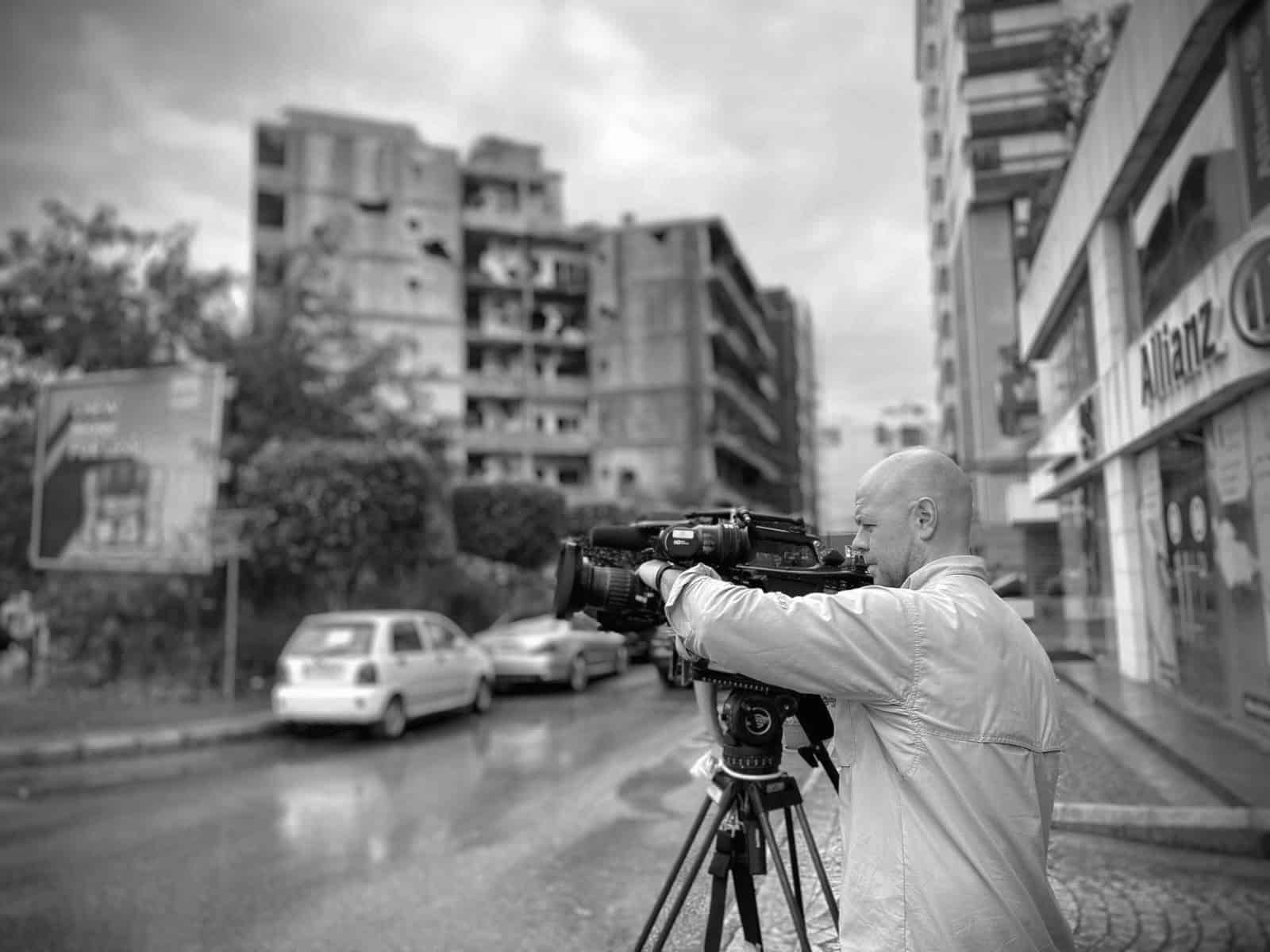
Beirut
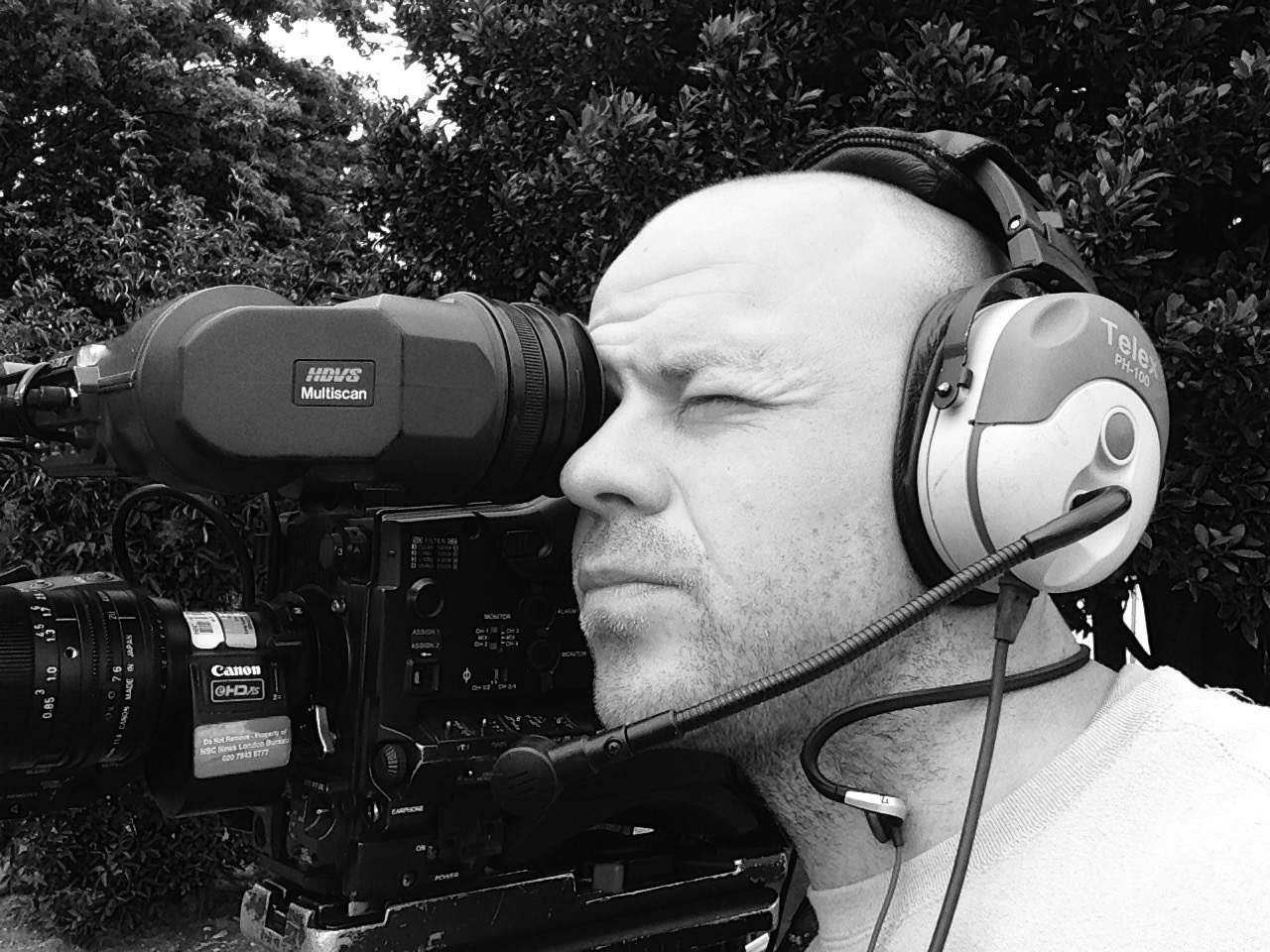
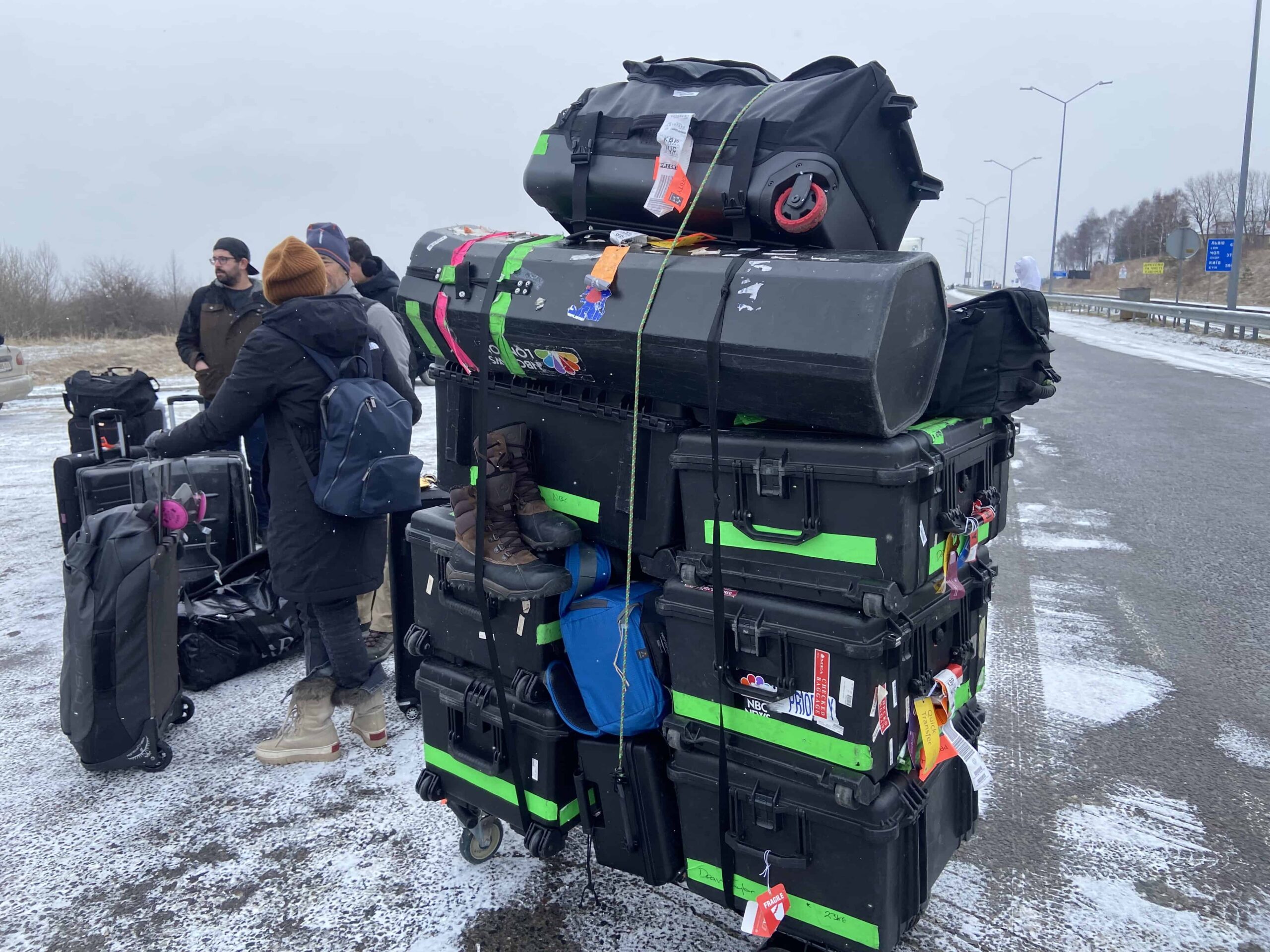
Ukraine baggage!
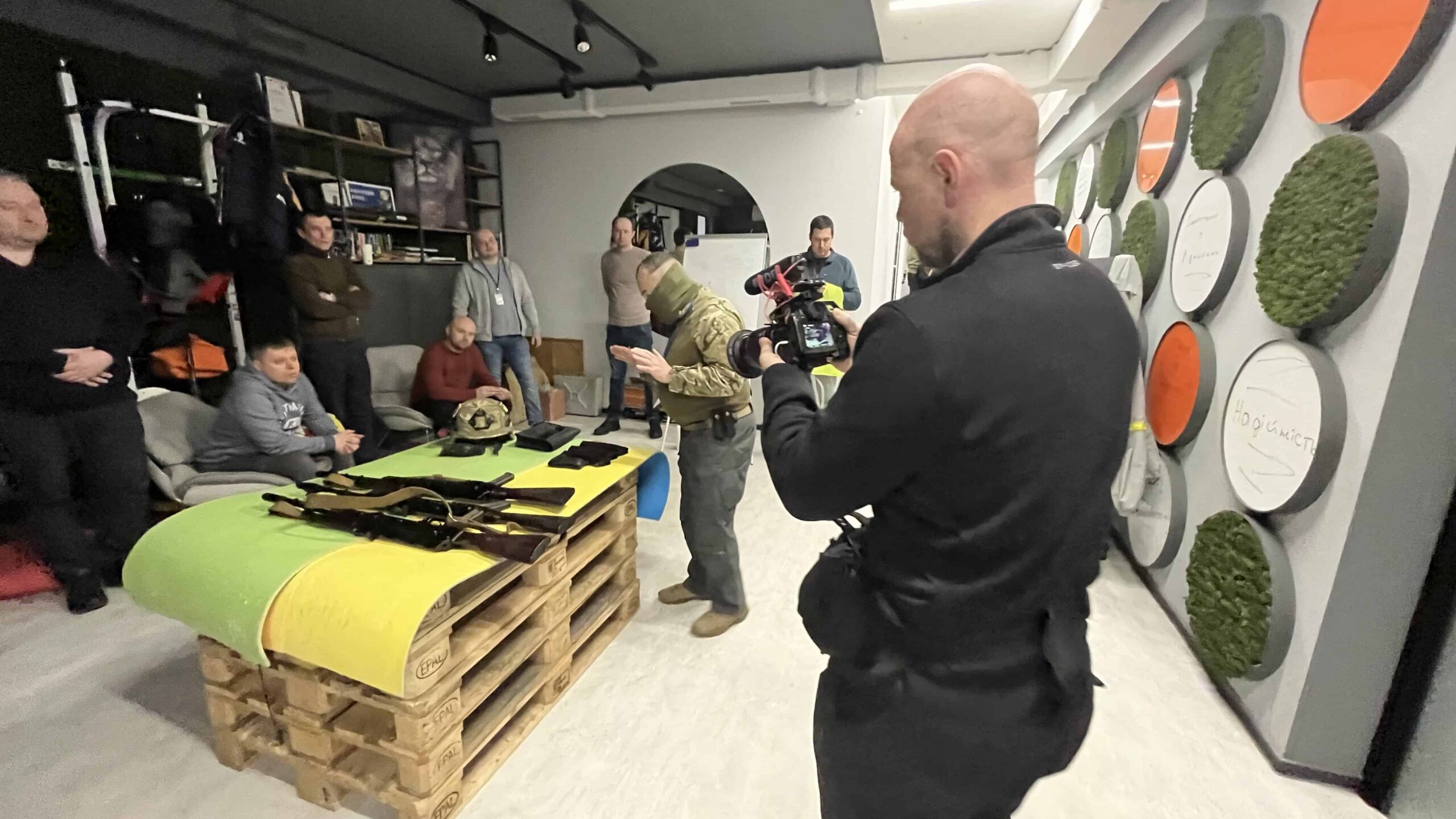
Ukraine Arms Handling
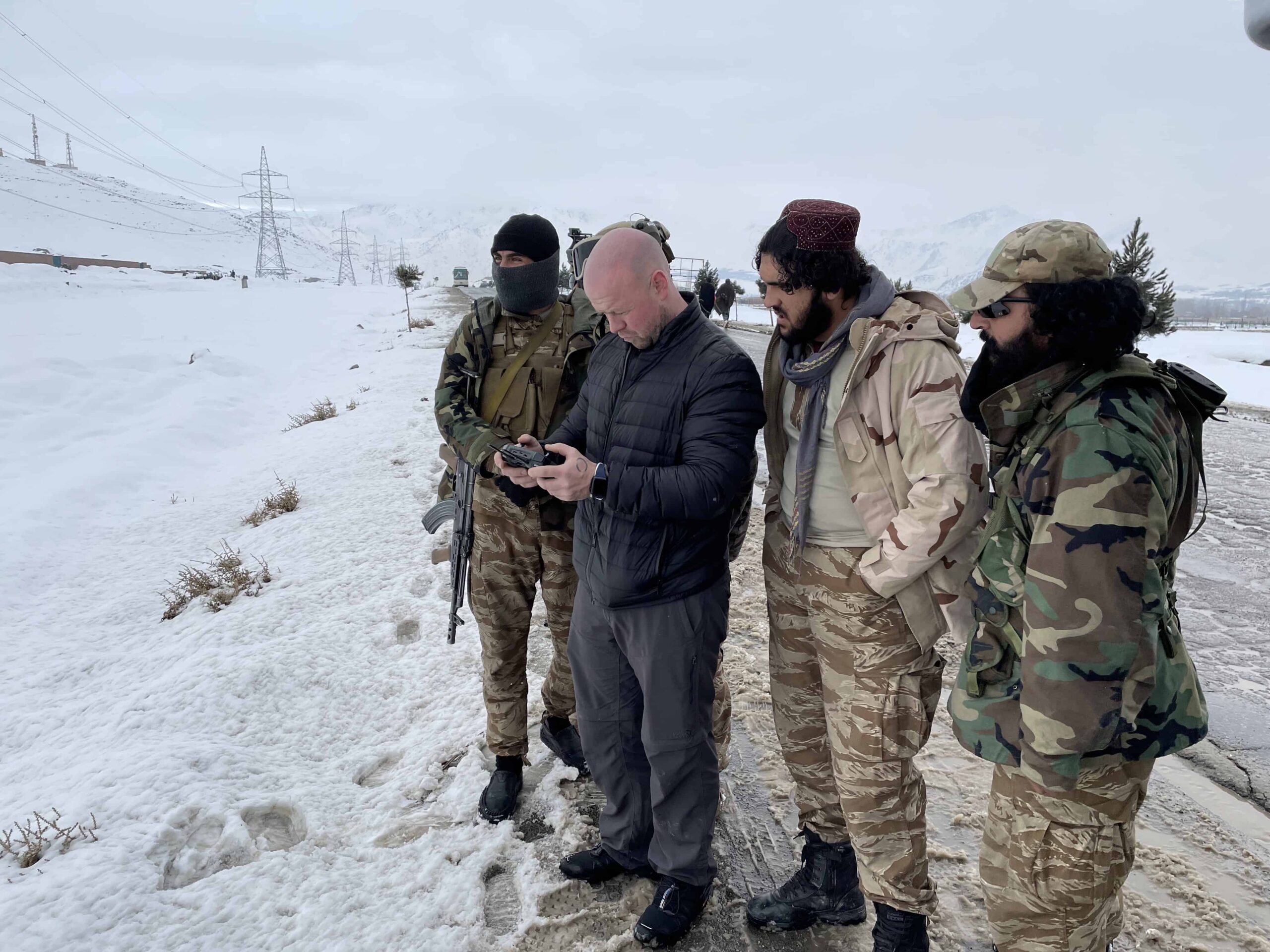
Taliban
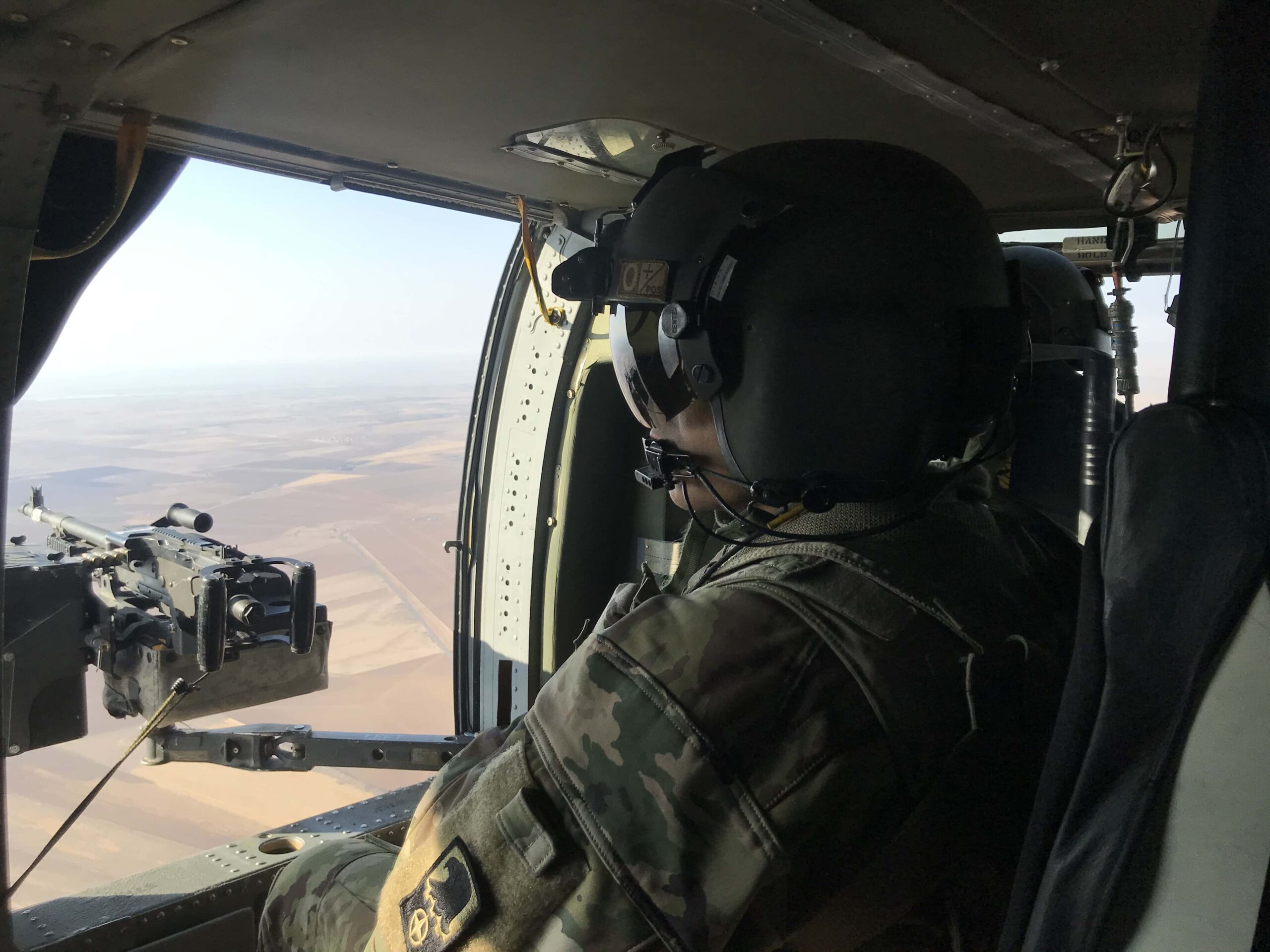
Syria – US Army Mission
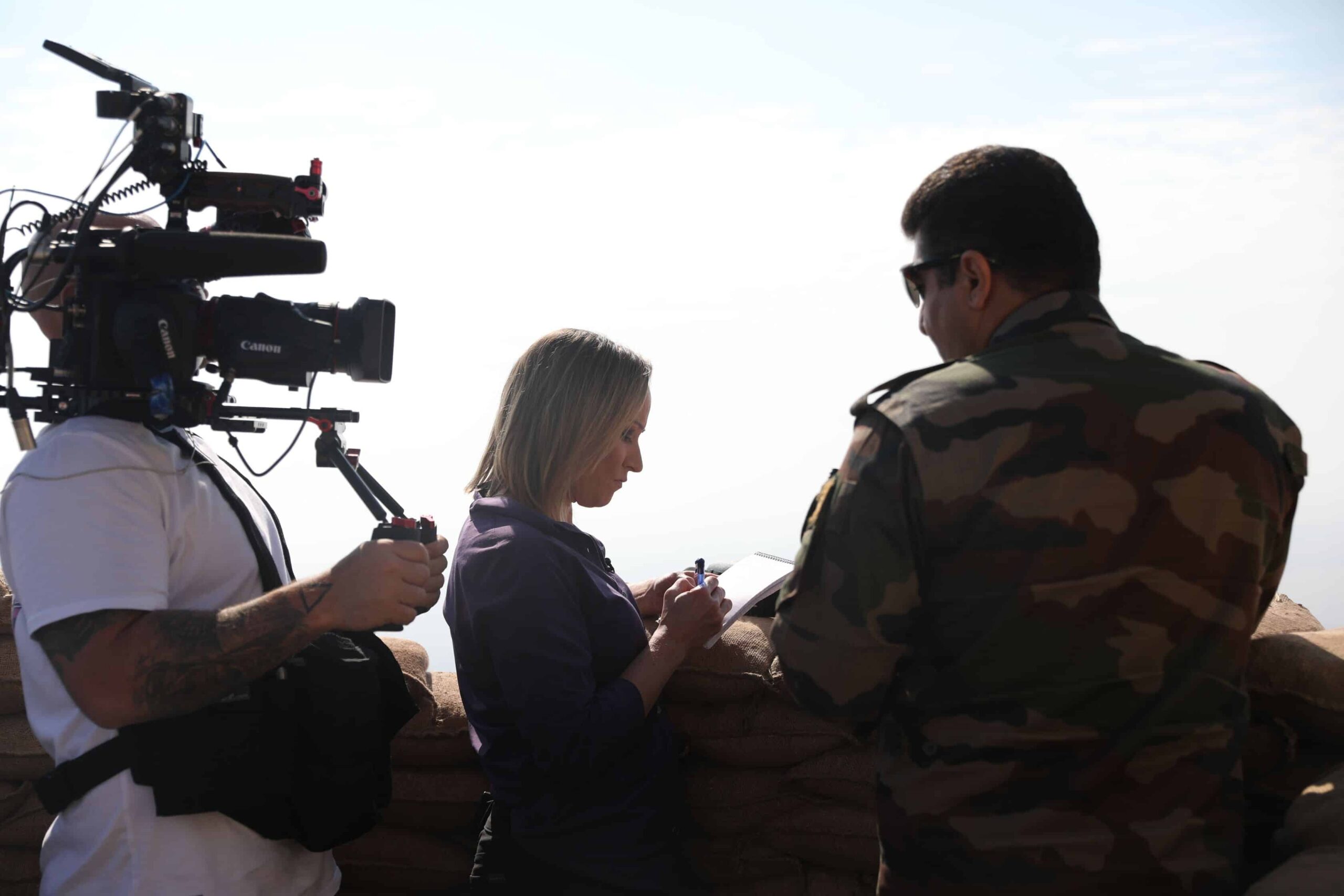
Syria
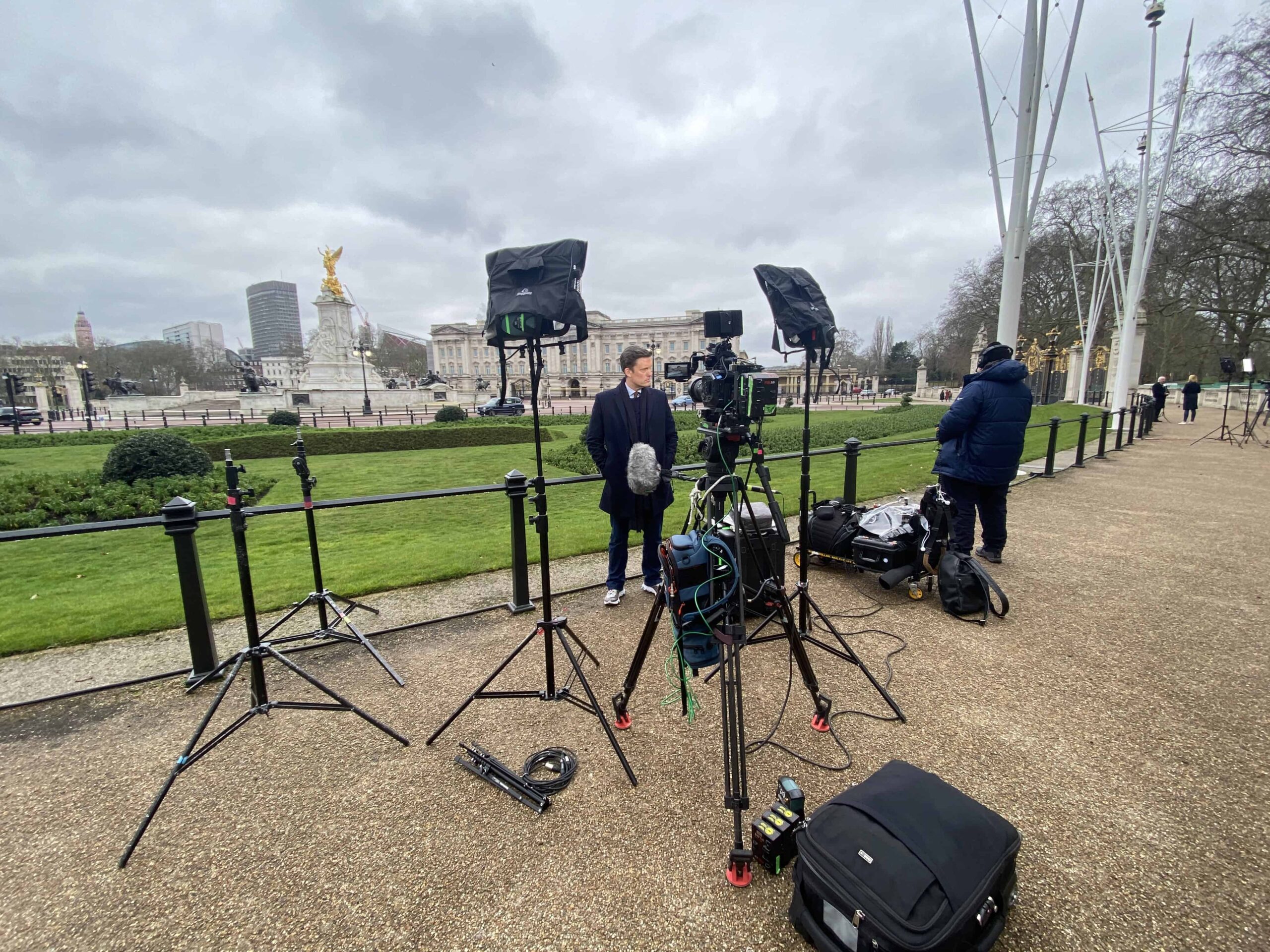
Royal Baby
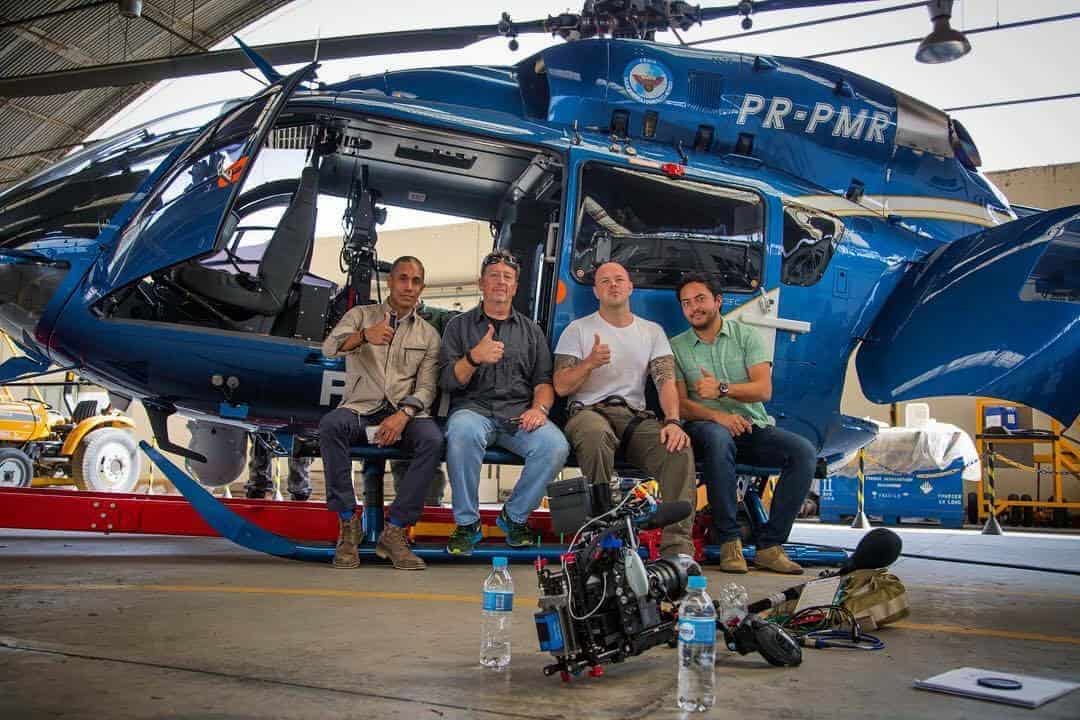
Rio Olympics
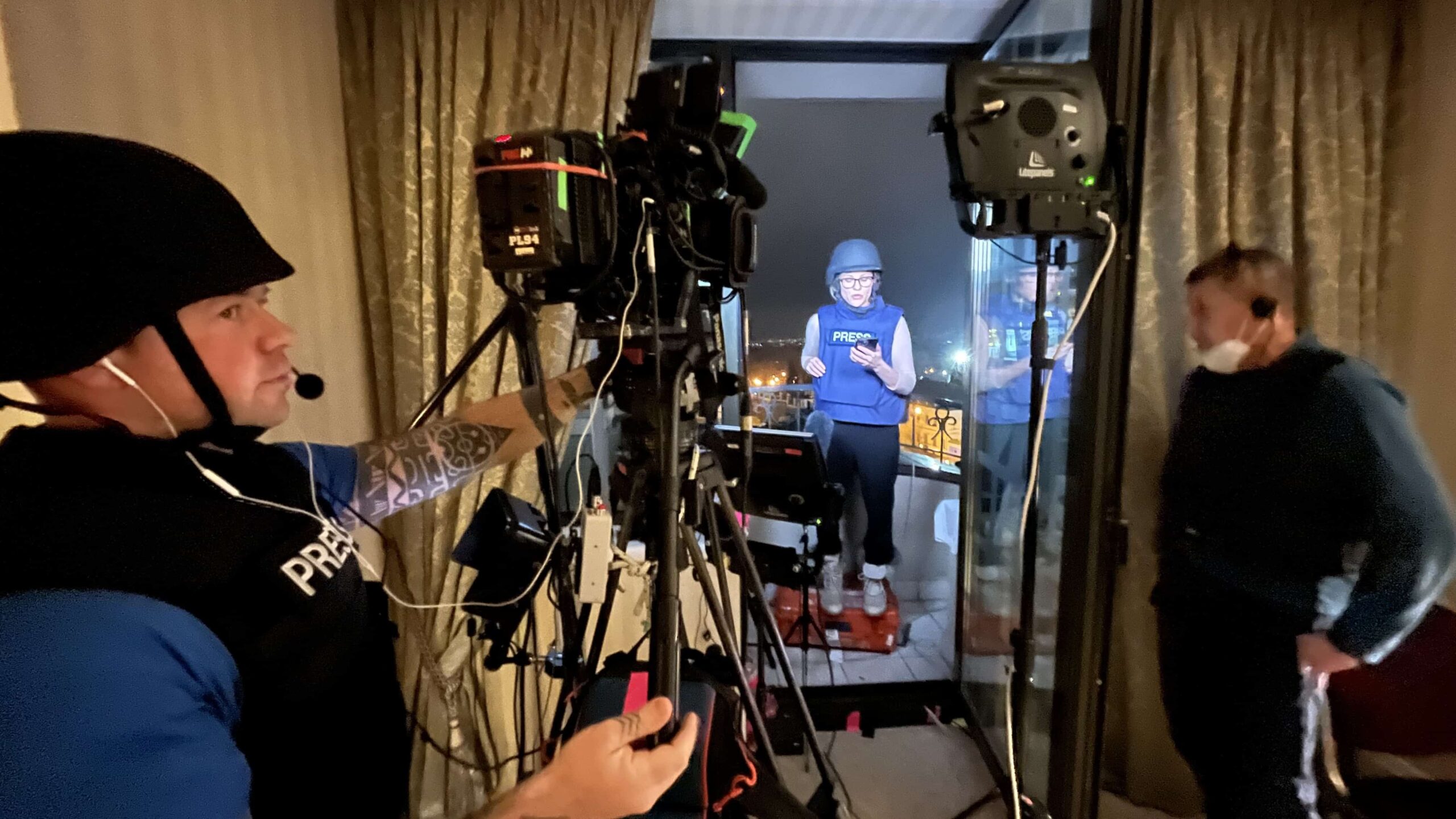
Kyiv – Beginning of Ukraine War
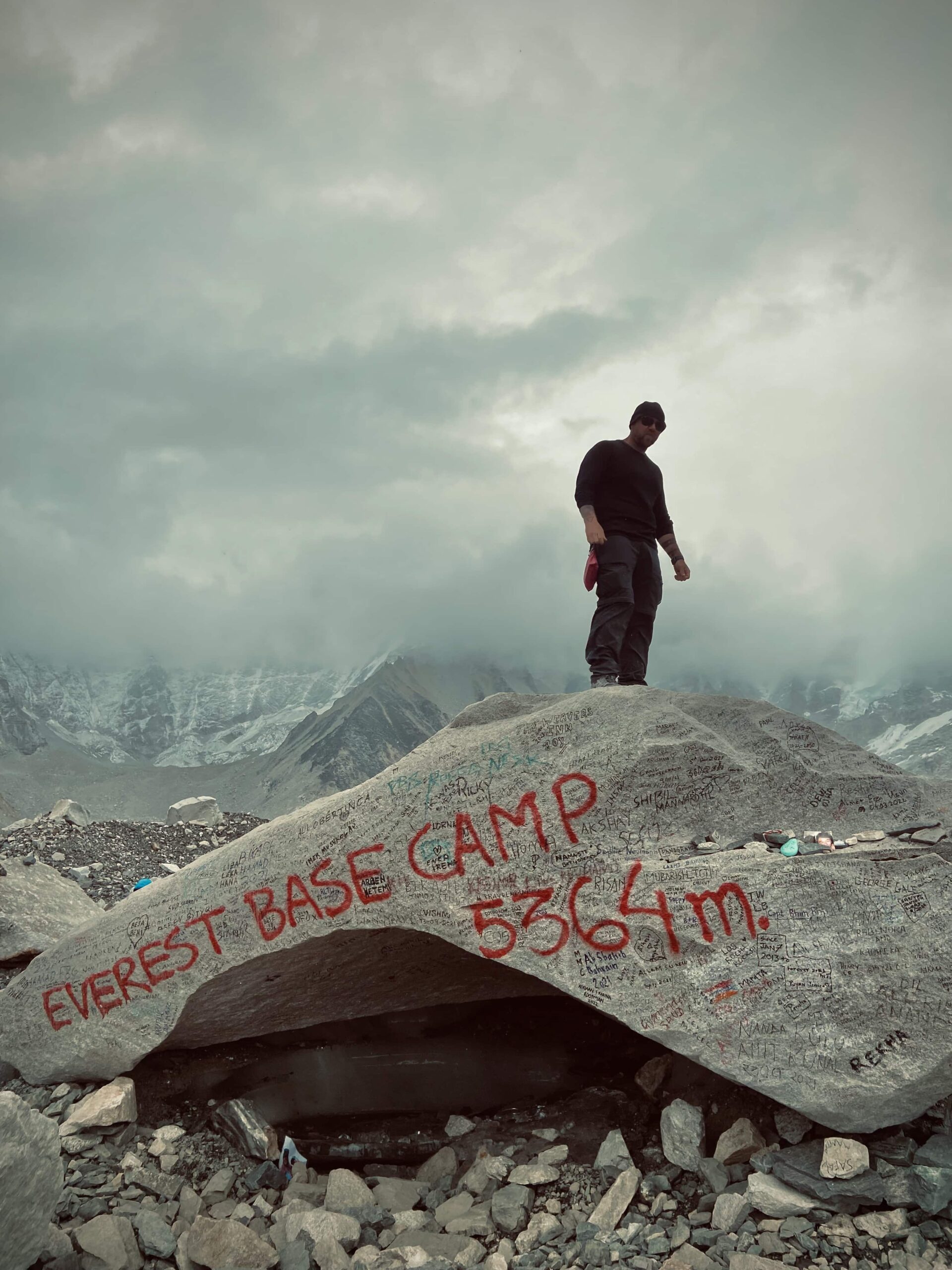
Everest Base Camp
Thanks to Brendan O’ Dowd for creating and recording the musical piece for the podcast.
BE A GUEST ON THE SHOW!
If you’ve a story about Boyle, we’d love to hear it. You don’t need to have done anything remarkable, and you don’t need to prepare a thing. We sit down, have a chat, and you talk about whatever you want to. It usually takes about an hour.
Thinking of someone else? A parent, a grandparent, a neighbour who remembers how it used to be? Tell us about them. Some of our best episodes started because a son or daughter got in touch. You can find us at info@voicesofboyle.com.