Episode 65
Karolina Małecka – A Story of Moving to Ireland & Finding Purpose in the Fitness Industry
HOSTS & GUESTS
Florence Cretaro
Karolina Małecka
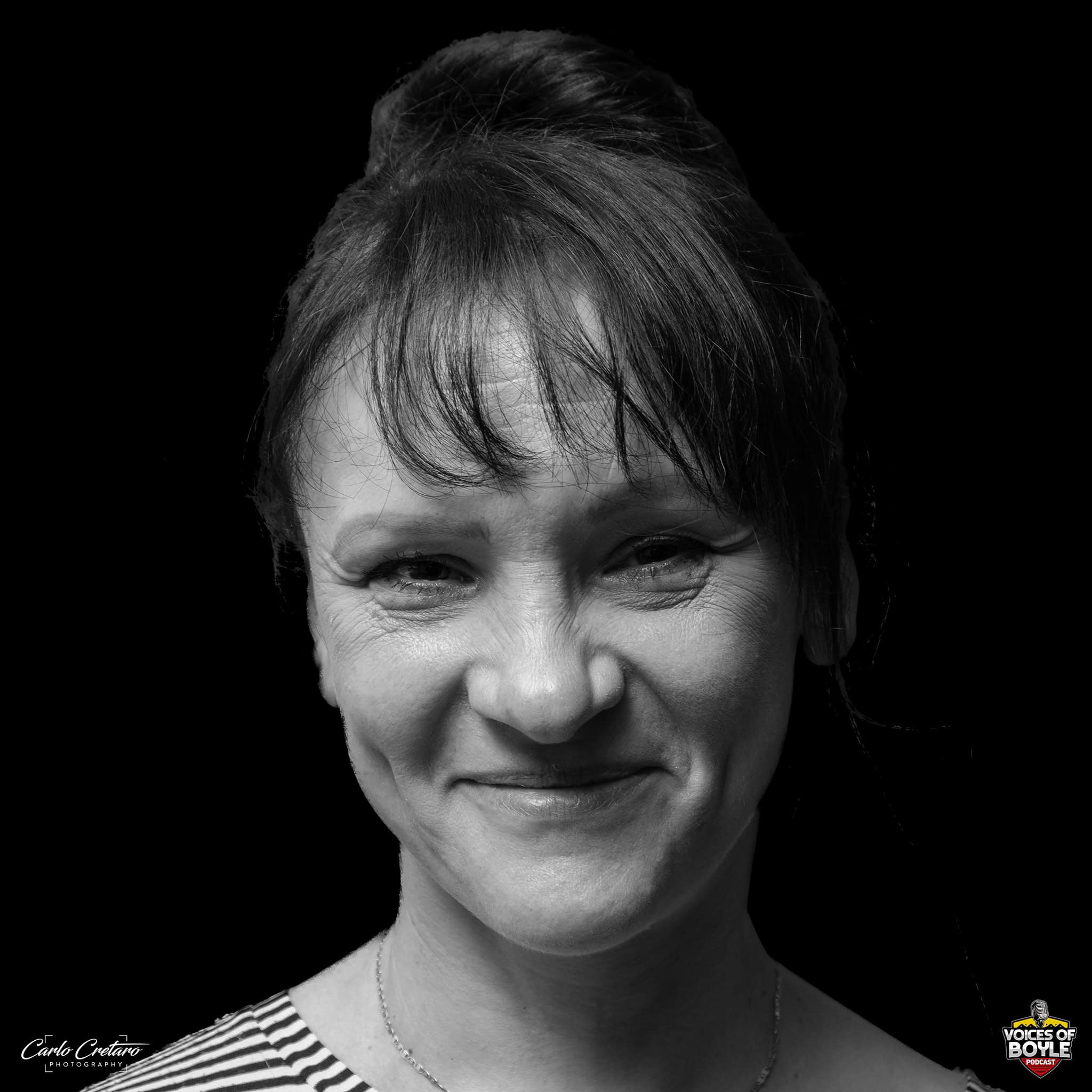
In May 2023 a van pulled up outside an empty house in Boyle. In it was a woman from Poland who had spent the previous eighteen years in Athlone, everything she had decided to keep after a clear out, and a loan of the house for a few months while she worked out what came next.
She had driven past Boyle plenty of times on the way to Sligo and Bundoran and wondered what was in it. She had never stopped.
“I never chose Boyle. Boyle chose me.”
A village where the shop opened every second day
Karolina Malecka was born in Wroclaw, a city of about a million people, where her grandfather was a professor at the university. When she was three her parents moved out of the city and into a small village, and that is where she was reared.
She describes it plainly. There was one shop, open every second day from eight until ten, and only when there was a delivery of bread and the very basics. School was seven kilometres away. She had gone from a childhood with everything around her to the middle of nowhere, and she had to adjust.
She left at eighteen, the morning after an argument, with nothing arranged. A friend said she could sleep in her room for a few days and there might be a room going next door. Karolina took it, found a job, and got on with it in Opole, forty kilometres up the road.
2005, and a one way ticket
Poland joined the European Union in 2004 and by 2005 half the country seemed to be on the move. Karolina’s plan, as she tells it, was to come and have a look around.
She was twenty when her daughter Morgan was born, and Morgan was three when they came. Straight to Athlone. There was no plan and there was no return leg on the ticket. Leaving her family was the hardest part of it, and she did not go back to Poland at all for the first three years.
Morgan went into the creche and came out speaking English. She played with her Polish friends in English, dolls and all. In the shop she would tell her mother not to speak Polish, because they were here now and they needed to speak English.
Then Morgan started school and that, effectively, was the decision made.
The best school for English
Karolina spent about ten years in retail in Athlone, and she moved through nearly every job in the place. Cashier. Deli counter. Supervisor. Manager. She was, by her own account, a very fast worker, which is how she was reared, and every place she worked kept promoting her and giving her more.
She is very funny about the language. She arrived thinking she had a bit of English and found she could not understand a word. Retail fixed that, because retail is constant contact with people and every accent in the country at once.
The other thing retail taught her was that Irish people talk to strangers. She was serving on a deli counter in a petrol station one day and a woman asked for a few slices of ham, and then thanked her and called her a good girl. Karolina went home glowing about it. Her partner at the time had to explain that people say that all the time. In Poland, she says, you would not say a thing like that to somebody you did not know.
And the pace. She says everything in Poland had to be done for yesterday. Here she found herself sitting behind a car stopped in the middle of the street while the driver had a conversation out the window, and being waved at to hang on a minute. Twenty years on, she loves it. The plumber who says four o’clock and comes the following Wednesday is the price of admission.
The weather she has not made peace with. It is not even the rain, she says, it is the darkness. She gets out of the country two or three times a year and expects she always will.
Why she left a job she was good at
The hours were the problem. She was always working and Morgan was always in the creche, or with a babysitter, or with somebody.
She had been a sports child in Poland. Cycling, running, always at something, always moving. And she liked working with people and making them feel good about themselves. About eight years ago she put those two things together and retrained as a personal trainer.
She remembers being told on her courses that if she lasted two years she would be doing well, because it is a fun job but it is hard work getting people to do a thing they do not want to do. Exercise, she points out, is always at the bottom of the list. Work, kids, the hundred other things, and then maybe the gym.
She is still at it, and she says her level of passion for it has not dropped at all.
Arriving in Boyle
The move to Boyle came out of a fresh start and a housing market that was not co-operating. Everything available was two thousand a month, and anything that looked doable never rang her back.
Then she remembered that one of her members in Athlone had offered her the loan of an empty house in Boyle years before, for a weekend, any time she wanted it. She had never taken it up. She sent a text.
The answer came back that Karolina had helped her once, and now she would like to help Karolina, and to take the house for two or three months and sort herself out. She still gets a bit teary talking about it.
She hired a man with a van out of Frenchpark, threw out a great deal, and moved.
Day one she went to SuperValu because it had the most under one roof, and she was certain the whole shop was looking at her. She told herself it was in her head. She went home, sorted out the house, and then remembered she had no job.
The wrong gym
So she opened Google Maps and searched for a gym, because where else would she start. There was one three hundred metres away. She messaged the man who ran it on Instagram, pretending to be a woman looking for somewhere to train, went in for the tour, and then told him she was a PT and asked was there any work going.
She says he changed. He had his plans, he had a girl there, he was grand.
She went home and totalled it up. No job, no contacts, and a shop full of people looking sideways at her.
Then the landlady rang to see how she was getting on, listened to about two sentences of it, and asked where exactly she had gone. Wrong gym, she said. You want Darren.
“Can I clean in your gym?”
There was one person in Darren’s gym when Karolina walked in, and it had the look of a place somebody had forgotten about.
She found him, sat down with him the next day and gave him the whole story in about ten minutes. He told her he had come through a hard stretch himself. And then she asked him a question that most people would never think to ask.
Could she clean his gym.
He gave her the keys and told her to go and do whatever she wanted.
That was the end of May. She spent all of June and July in there, a bit at a time, a little here and a little there. Looking back she calls it her therapy. Between the gym and a lot of gardening, that was what got her through that summer.
The farmer
The first client came in a screenshot from Darren. A fella looking to start training. Karolina had spent the previous five years in Athlone working almost exclusively with women, so she was a bit wary.
Darren’s read on it was simple. If you do something with this man, everyone in this town will know you.
They clicked in the consultation, she says, like she had known him her whole life. He got great results in the first month and again in the second. They are still close friends, she has learned a fair bit about farming, and she says straight out that without him she would not have got through her first year and a half in Boyle half as easily.
After that it was word of mouth, which in Boyle is a fairly efficient distribution system. She counted her members the other day. Forty.
A trainer for normal people
“My mission is to make people comfortable in an uncomfortable environment.”
That is how she describes what she is actually doing in the room, and it is a good description of a gym from the point of view of somebody standing at the door of one for the first time. Everyone else looks like they know what they are doing. You do not know whether your form is right or which exercises you are supposed to be doing at all.
“I am a trainer for normal people.”
The classes are small groups. Ladies only, mixed, and a men’s class. January is busy, as January is. She works off a personal approach, so two people doing the same exercise are not necessarily doing the same weight or the same version of it, because everybody comes in with a different starting point, a different history and different abilities. She pairs people up by strength once they have settled in, so one can push the other on a bit.
The teaching part matters to her. She does not just tell you to do five squats. She tells you why you are doing them that way and not another way, so that eventually you can walk into any gym anywhere and train without her.
Florence went along to a couple of the classes in January with her niece Megan, and the thing she picked out was the form. A fraction out of alignment and you lose the benefit of the movement entirely. Learning the lifts properly, at your own pace, in a room where nobody is waiting for you to get off the bar.
Strength training, Karolina says, is a long game. You did ten today. You do not have to do twelve and a half next time. Do eleven. Build it slowly and it stays healthy.
The personal training is a separate thing again. The first session is an assessment. Mobility, flexibility, fitness level, how you feel in a gym at all, your sport history, your injuries, and a body composition scan if you want one. The plan comes off the back of that.
People hire her for all sorts of reasons. Some want five sessions to learn how to squat and deadlift properly and then head off independent. Some are coming out of rehab. And some, she says with a straight face, are paying her mainly so that there is somebody standing there expecting them, which is as good a definition of accountability as you will get. Her clients run from sixteen to eighty seven.
She has heard the line around town that she is the girl who lifts weights and that it is not for everyone. She does not only lift weights. She works with whoever walks in, from wherever they are starting.
Out the road
The other half of Karolina is outdoors. Hiking, biking, kayaking, paddleboarding, and a serious amount of travel.
West Cork is the place she says she still has not done properly. Donegal she only started on last year, since moving up this way, and she is going back for more. The Wild Atlantic Way is her favourite stretch of the country. She has the passport, bought in Shannon Airport on her way somewhere else, with a good few stamps still missing, mostly out on the islands.
One evening last summer she looked out the window, saw a camper van going by, decided she did not need a camper van, and drove to Connemara to sleep in the car. She was paddleboarding the next morning. Her point is that you cannot plan around Irish weather, so when the day comes you go.
She lived in Crete for six months during COVID. She is clear that it was not luck. She created the opportunity. It reminded her of Ireland, small and open and friendly, even in a hard year.
She was in Morocco last December for four days with a friend and felt she had not got the good of it, so she went back in March on her own, for the first time in her life, to a small village well off the tourist track, to try kitesurfing. Her reasoning is that if she takes to it, Ireland is one of the best places in the world for it.
In September she is planning a healthy, wealthy retreat in Spain with the Irish Budgeting Mommy. A big villa, around ten people, yoga, training, hiking, maybe paddleboarding.
Home
Florence asked her where home is now. Poland or here.
“If I say I am going home, I am going home. Here.”
Asked at the end if there was anything they had not covered, Karolina picked the one thing she wanted on the record, which was the community. She says she would not be where she is without the people she has met here, and it is only a year and a half. Every one of them helped her in some way to get to where she is.
She does not walk into SuperValu wondering why people are looking at her any more. They are looking because they know her, and they are saying hello, and telling her they will be back to the class next week, or hiding their shopping from her.
“The community is so supportive here.”
She has a house she loves, which came to her through somebody she knows from the gym. She says she has made friends here for life. And she wanted to say thank you.
Not bad for a town she had only ever driven past.

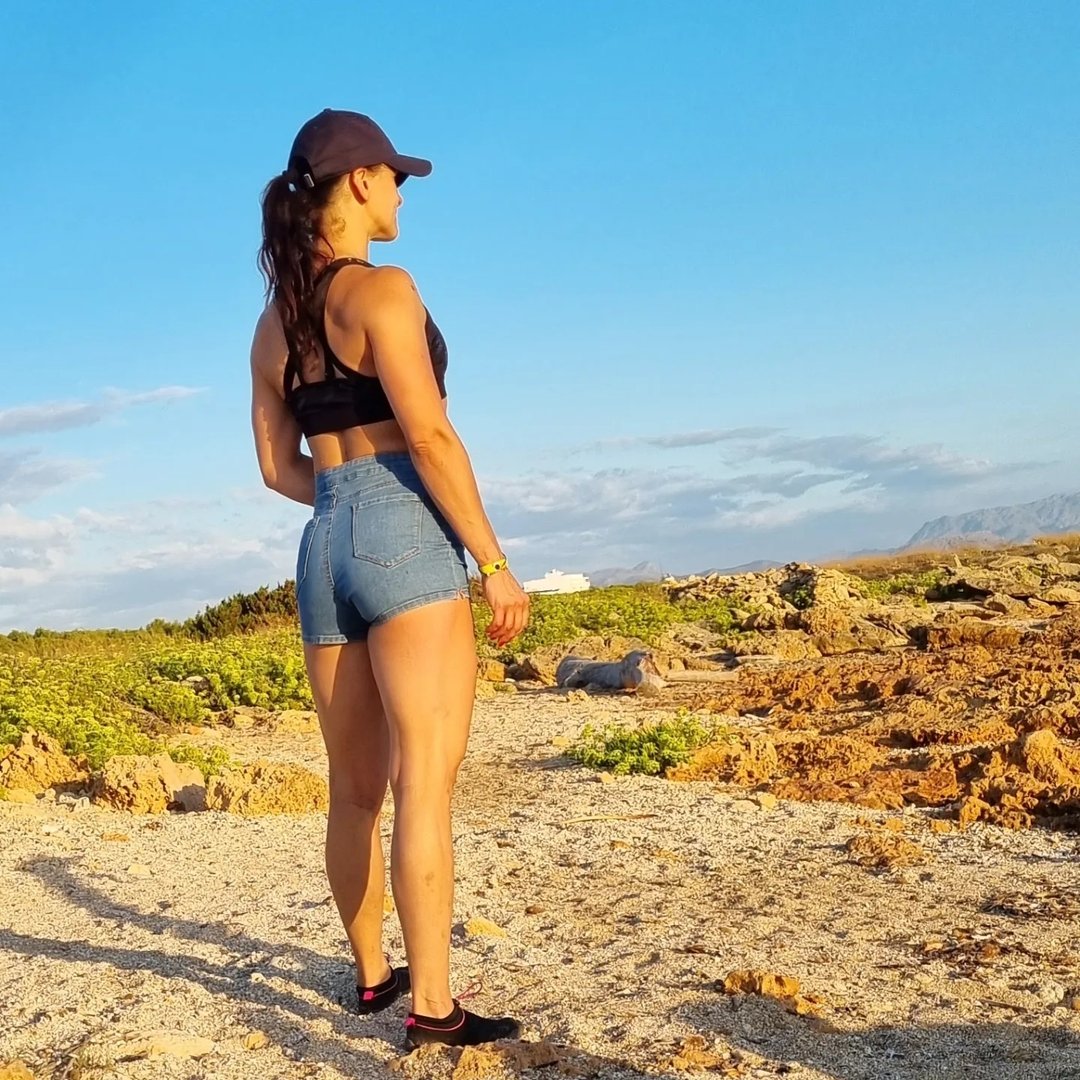
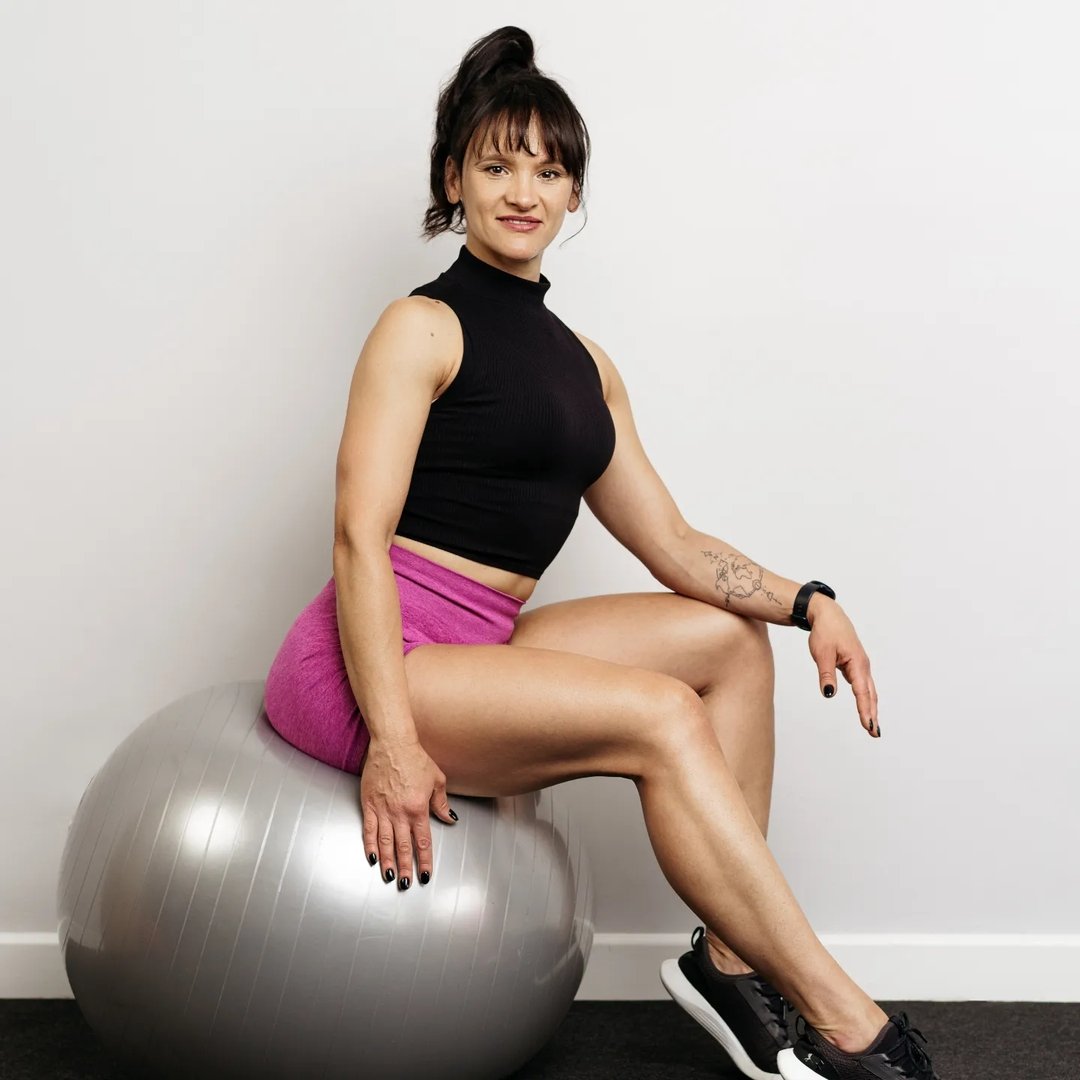
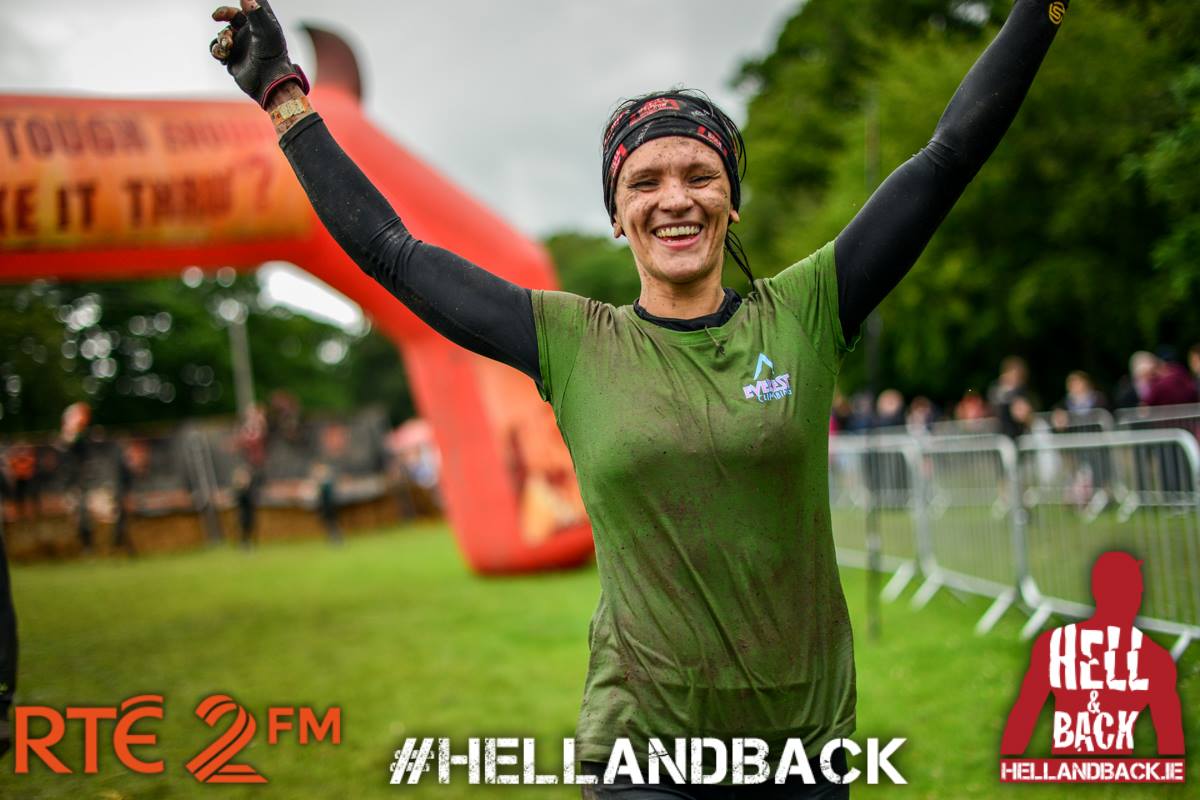
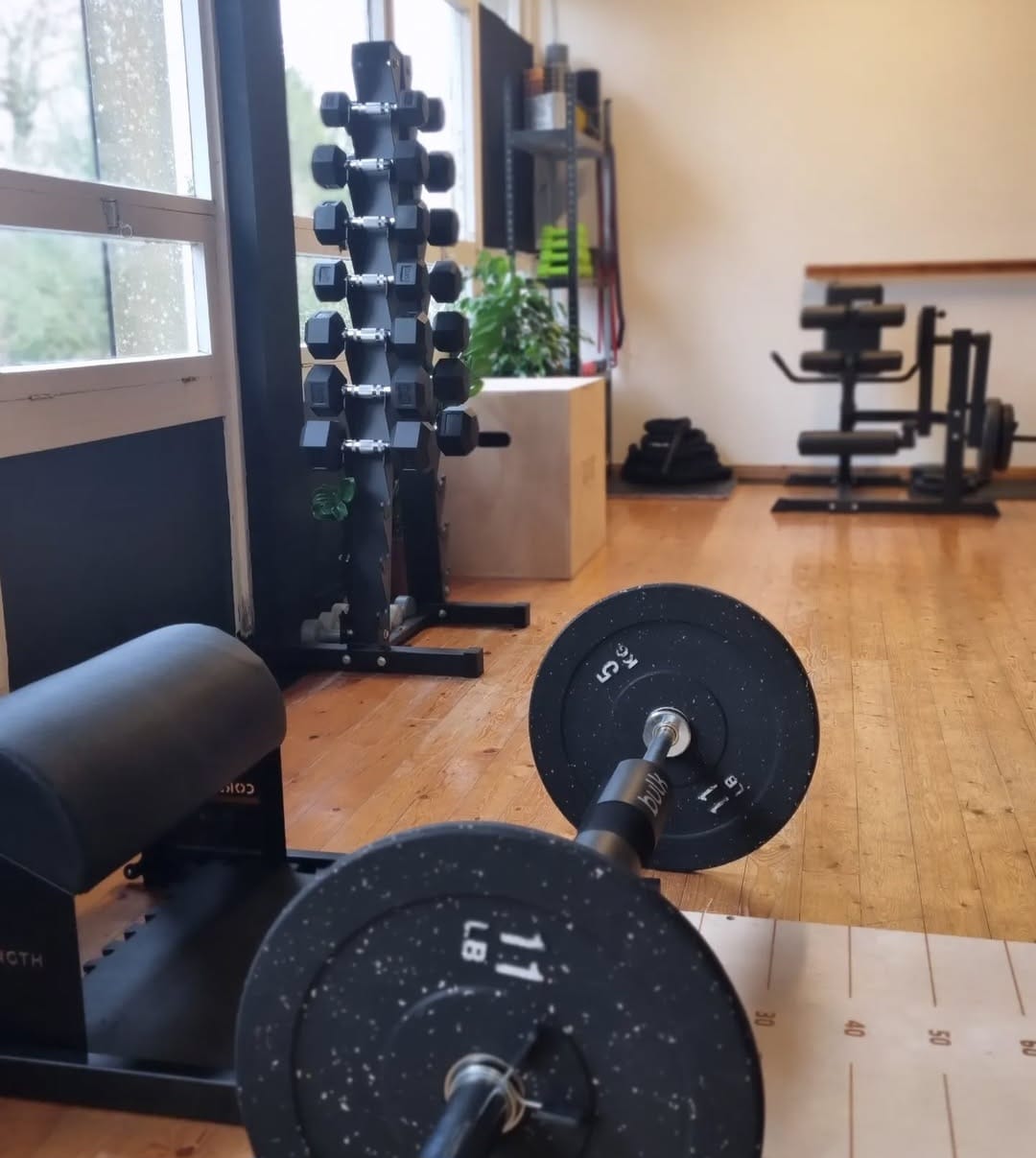
A Glimpse of Karolina’s Studio Located in Results Gym Boyle

Thanks to Brendan O’ Dowd for creating and recording the musical piece for the podcast.
BE A GUEST ON THE SHOW!
If you’ve a story about Boyle, we’d love to hear it. You don’t need to have done anything remarkable, and you don’t need to prepare a thing. We sit down, have a chat, and you talk about whatever you want to. It usually takes about an hour.
Thinking of someone else? A parent, a grandparent, a neighbour who remembers how it used to be? Tell us about them. Some of our best episodes started because a son or daughter got in touch. You can find us at info@voicesofboyle.com.